King Suro’s Tomb in Gimhae, Korea
Last Updated on December 22, 2025
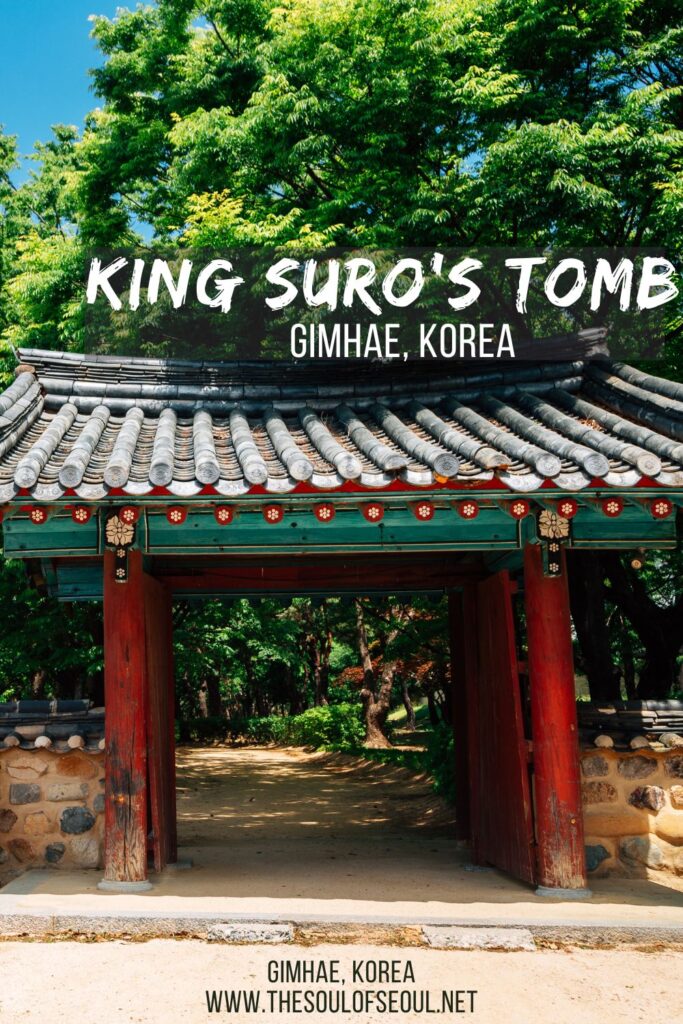
There are a number of interesting things to do in Gimhae, a suburb of Busan, in South Korea, but one that I found most fascinating was visiting King Suro’s tomb (수로왕릉). The legendary founder of the Gaya Kingdom and the ancestral figure behind of of Korea’s largest clans, the origin story you’ll learn is fascinating… even if you don’t believe every detail.
The tomb grounds are beautiful and the surrounding neighborhood has some beautiful cafes and fun markets to stop into. If you’re visiting Gimhae, this should be on top of your list of things to see.
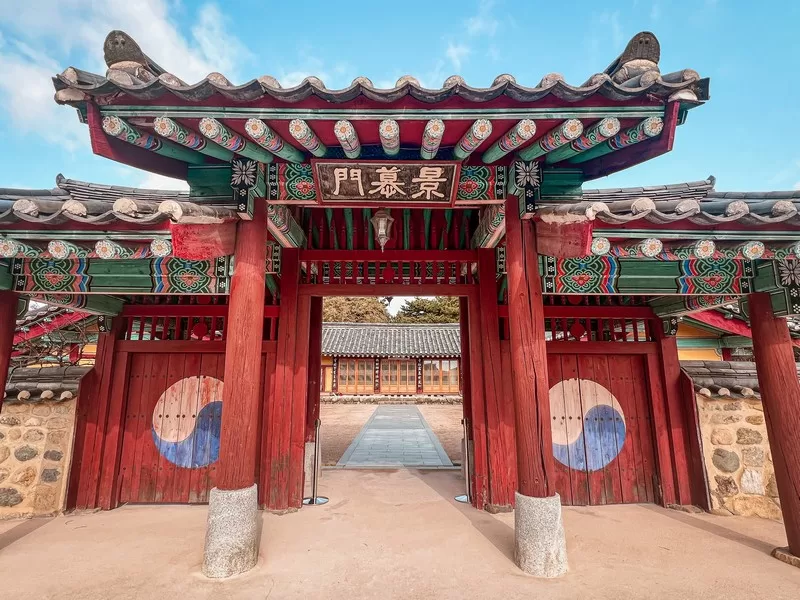
This is one stop in Gimhae that you have to visit. Beautiful, calm, and full of history:
- Basic Info
- Who was King Suro?
- Korea’s Earliest Multicultural Marriage
- Exploring the Tomb Grounds
- What’s Nearby
(This post contains affiliate links, which means I receive a certain percentage of a sale if you purchase after clicking at no cost to you. Thank you for your support.)
Basic Info
Address:26 Garak-ro 93beon-gil, Gimhae-si, Gyeongsangnam-do (경상남도 김해시 가락로93번길 26)
Directions: King Suro’s Tomb Station, exit 2. Go straight and turn left at the first intersection. At the fifth street, take a left and the park will be one block in. Follow signs where available.
Admission: Free
Hours: April – October: Everyday: 9:00am ~ 8:00pm; November – March: Everyday: 9:00am ~ 6:00pm
Who was King Suro?
According to Samguk Yusa, King Suro was born in 42 AD and ruled until his death in 199. The name “Suro” itself is symbolic. In classical Chinese characters, “su” means first or head, and “ro” means to appear. In other words, he was the first to appear.
According to ancient records, six golden eggs descended from the sky in a golden bowl wrapped in red cloth. After twelve days, six boys were born from the eggs. Each became a ruler, but Suro was the first to choose land and establish a capital, which he named Garak, later known as Gaya.
Did you know: This may sound familiar because eggs appear again and again in Korean foundation myths. Korea’s earliest kingdoms often traced their origins to heaven, nature, and miraculous birth stories.
Korea’s Earliest Multicultural Marriage
One of the most fascinating parts of King Suro’s story for me personally is his marriage to Queen Heo Hwang-ok. In 48 AD, a princess arrived by boat from a distant land called Ayuta, widely associated with Ayodhya in modern-day India.
According to legend, her parents dreamed that she would meet her destined husband across the sea. Their marriage is often described as Korea’s first recorded multicultural marriage. Today, Gimhae and Ayodhya are sister cities, and both Korea and India continue to reference this shared story as a symbol of early cultural exchange. Whether taken literally or symbolically, it’s a powerful reminder that Korea’s history was never as isolated as people sometimes assume and there is an entire lineage of Koreans today that have Indian ancestry (way way back of course)!
Exploring the Tomb Grounds
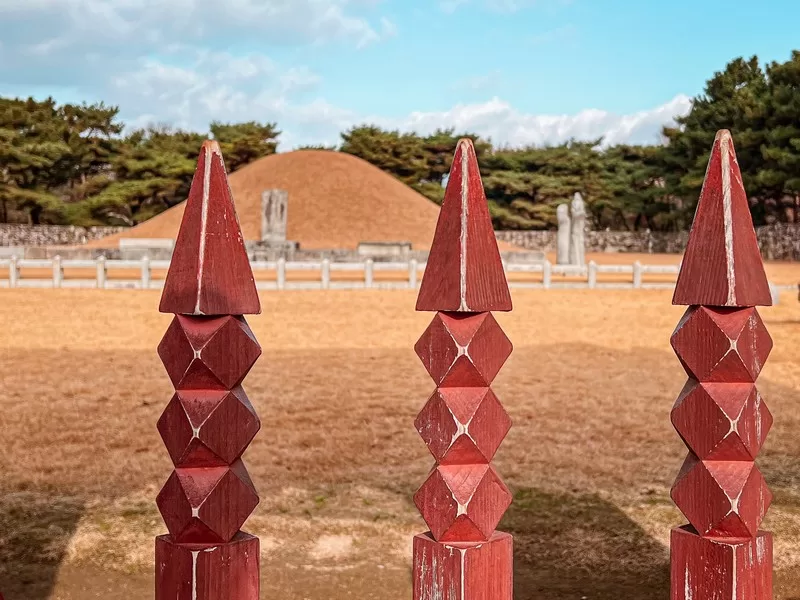
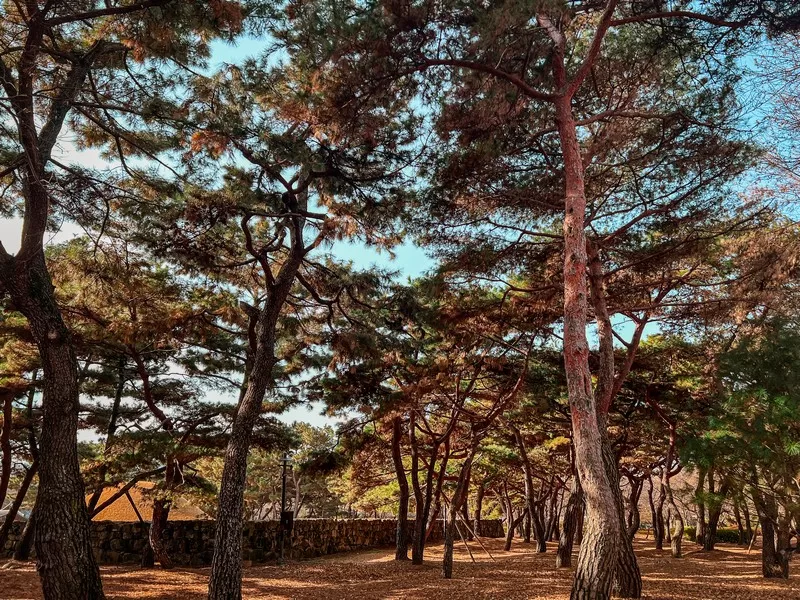
You might picture royal tombs in Korea with grand gates and dramatic scale, but King Suro’s Tomb feels different. It’s calm, serene, and almost understated for such an amazing story. The tomb itself is known as Namneung.
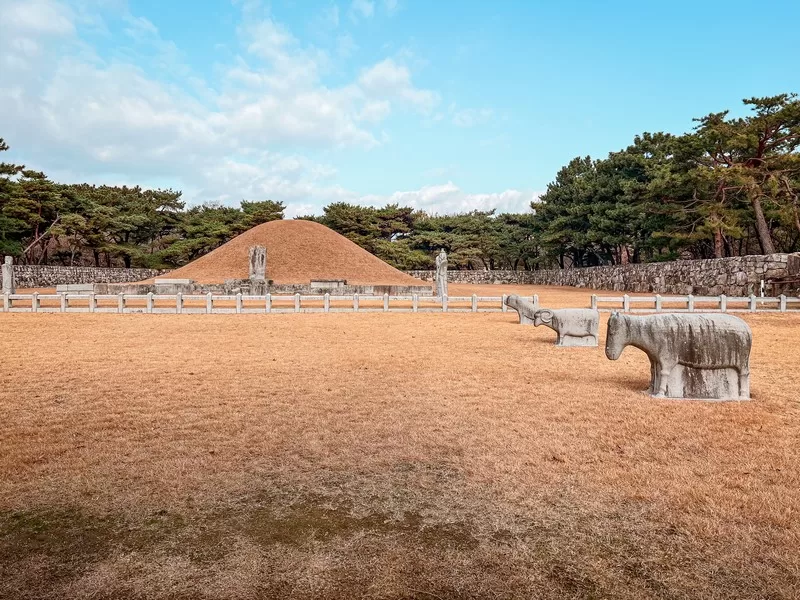
The burial mound rises about five meters high and sits with a park spanning roughly 59,000 square meters. It’s peaceful, open, and surprisingly intimate for a royal site.
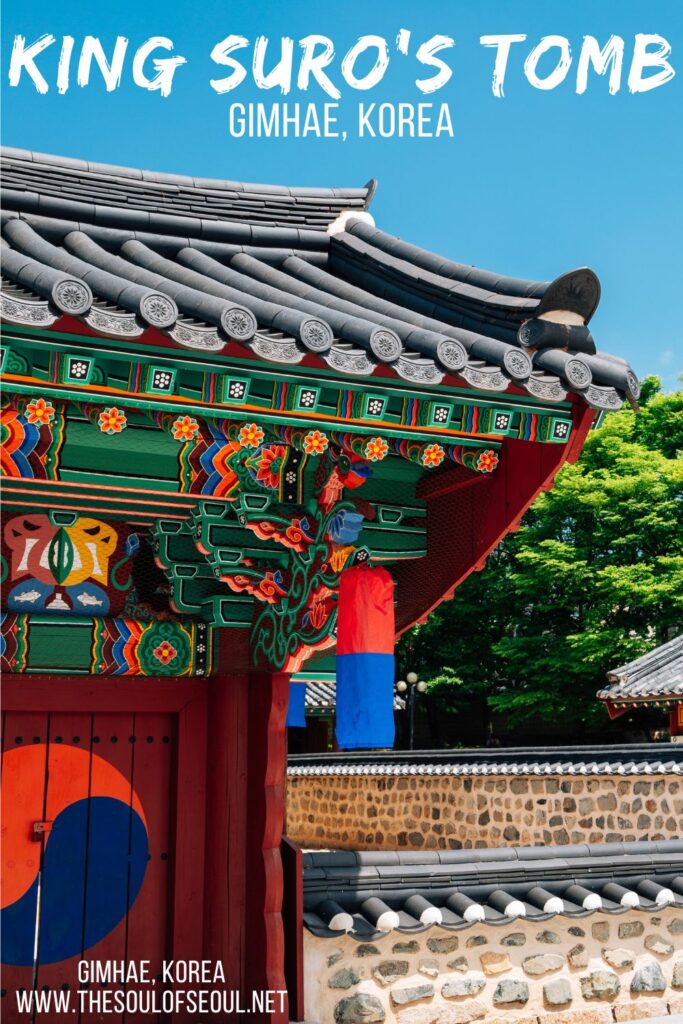
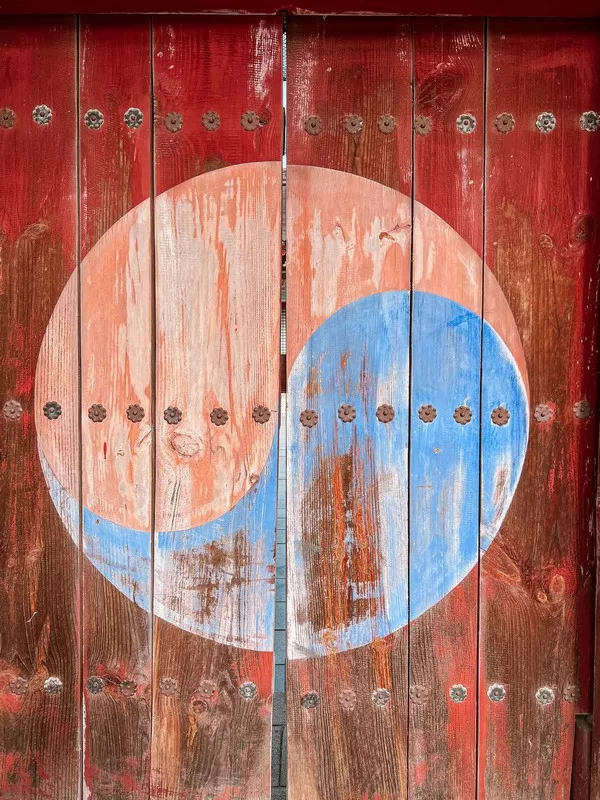
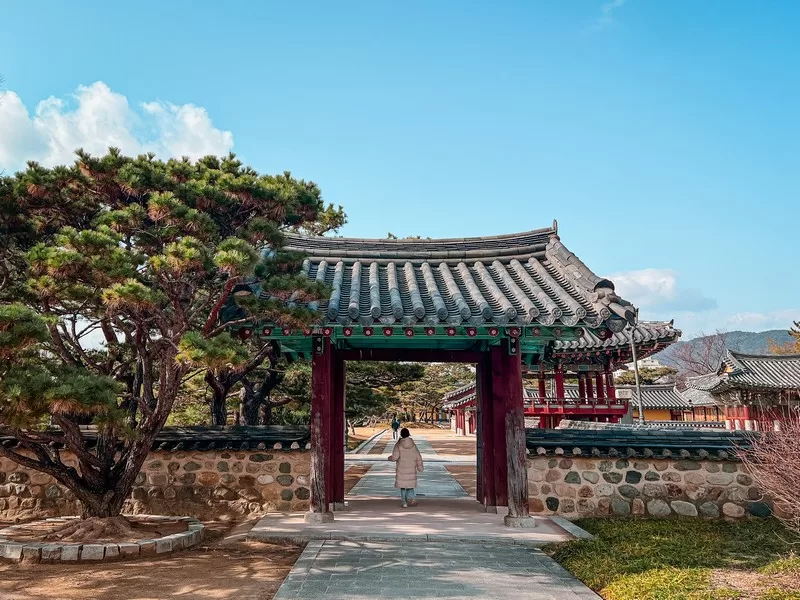
You’ll pass through a gate carved with twin fish, a recurring symbol in Gaya culture. Inside are stone statues representing warriors, scholars, and animals like horses, sheep, and tigers. These figures were meant to protect and honor the king in the afterlife.
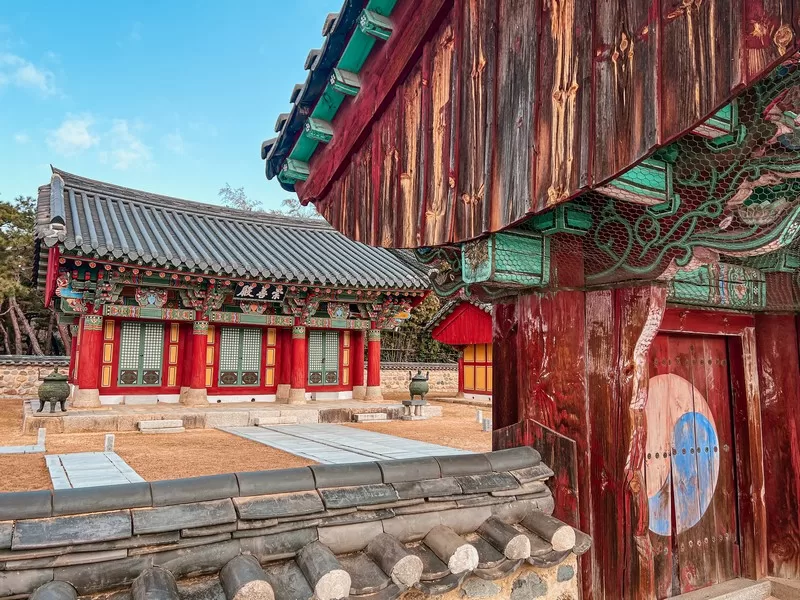
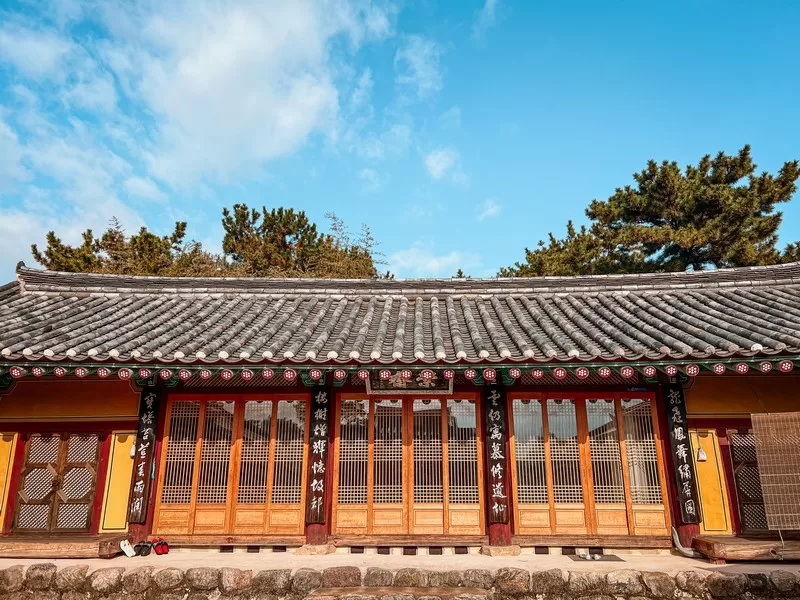
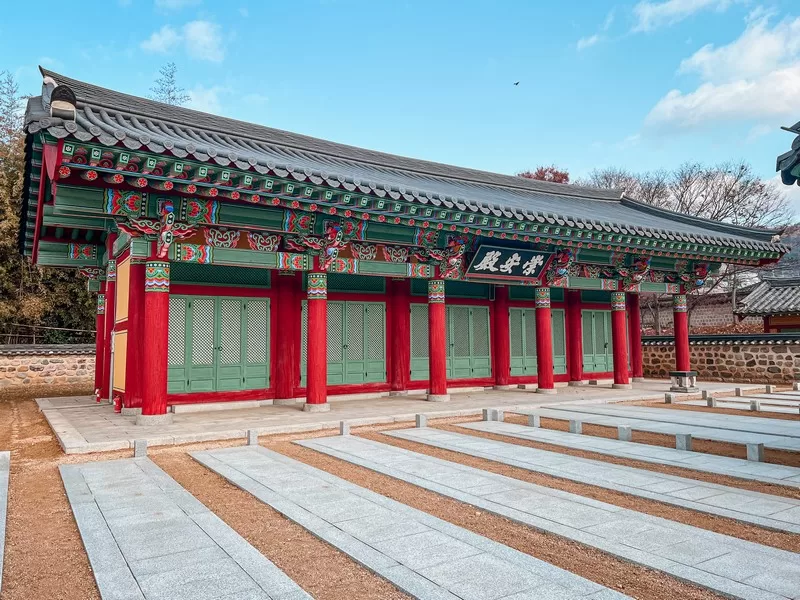
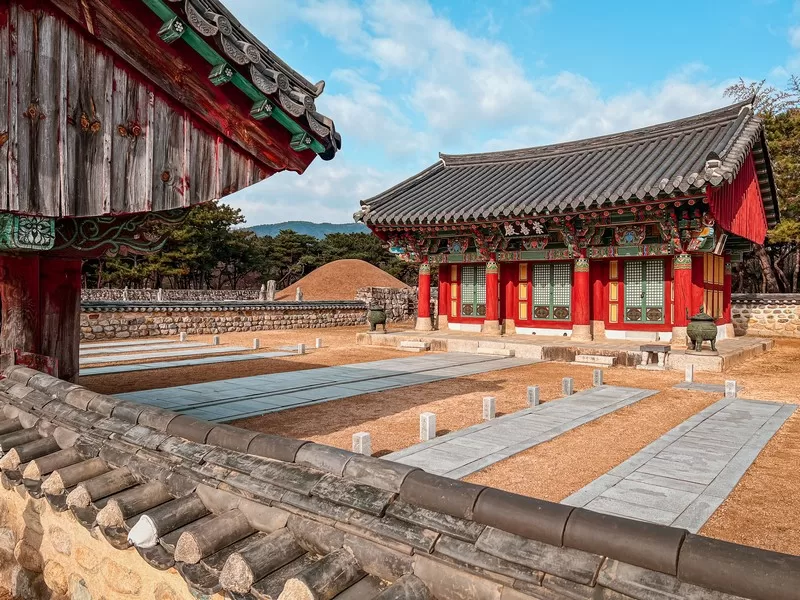
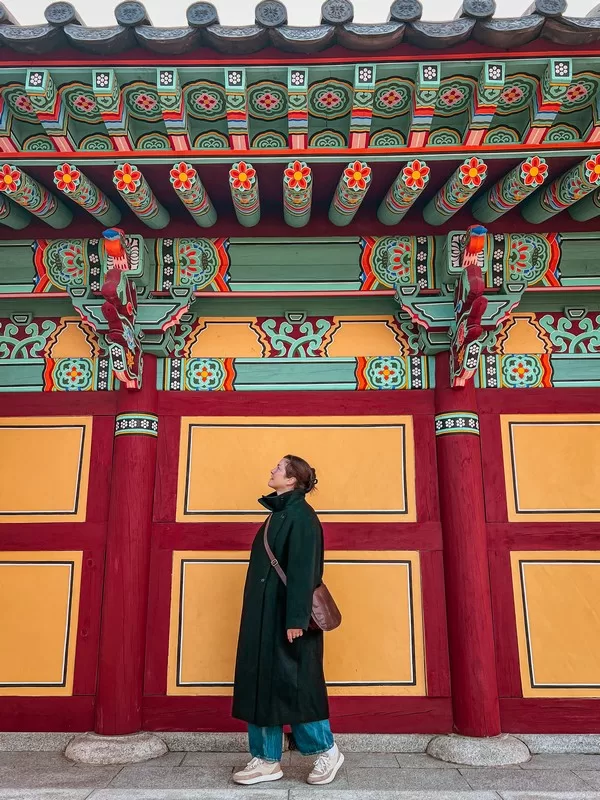
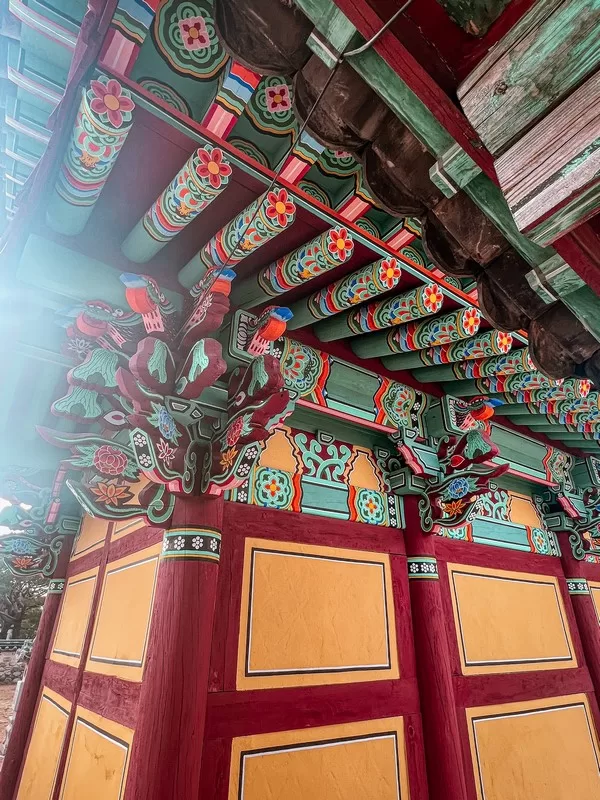
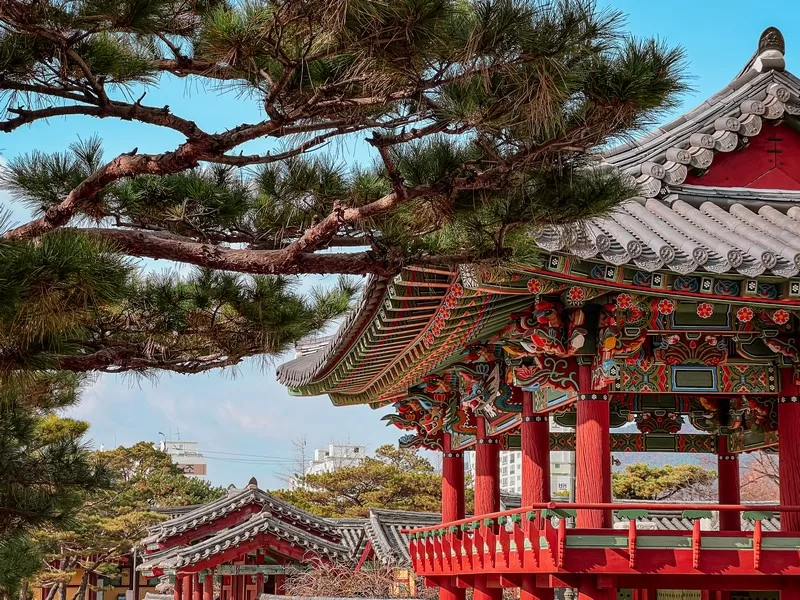
Scattered around the grounds are several important buildings including Sungseonjeon (숭선전), which houses ancestral tablets, and Anhyanggak, Jeonsacheon, and Jegigo, used historically for rituals and offerings.
Descendants of King Suro still perform ancestral rites here twice a year.
What’s Nearby
Don’t just rush off afterward because there are some lovely little spots just around the walled in tomb area. They are local, walkable, and pleasantly low-key areas. Here’s what else to look for:
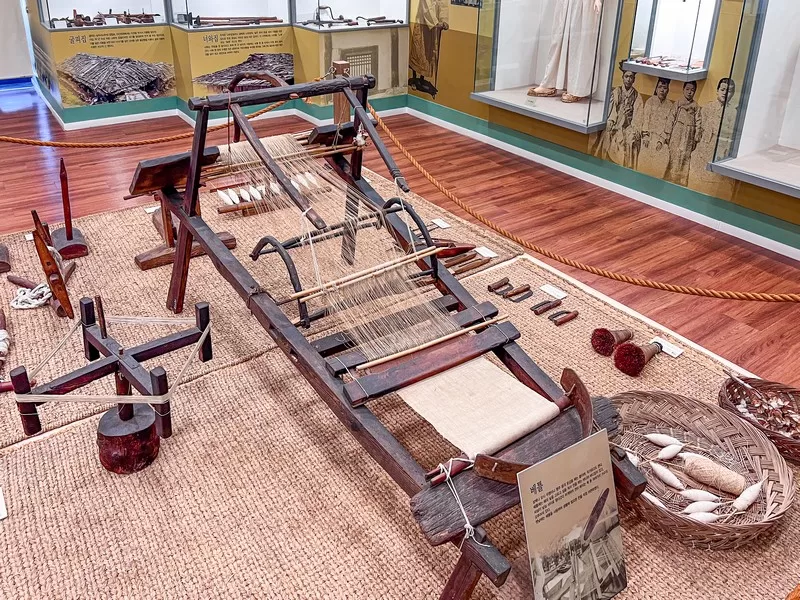
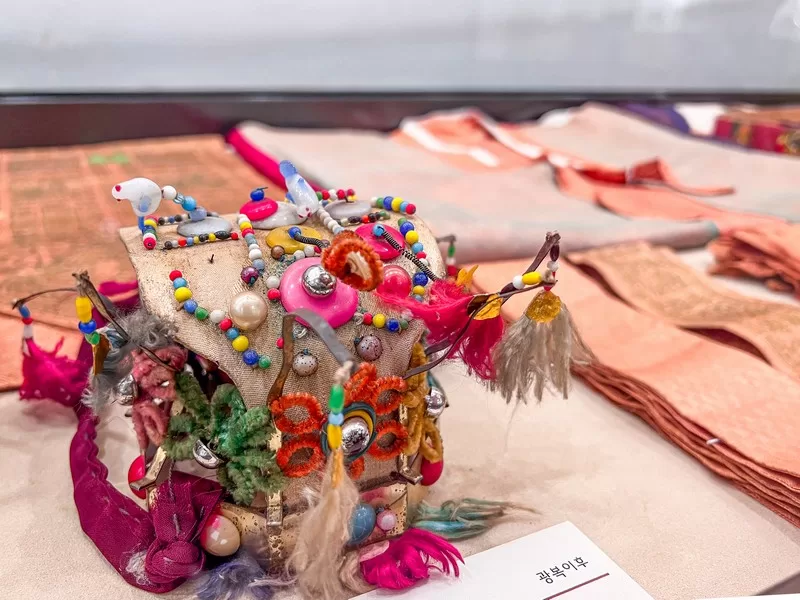
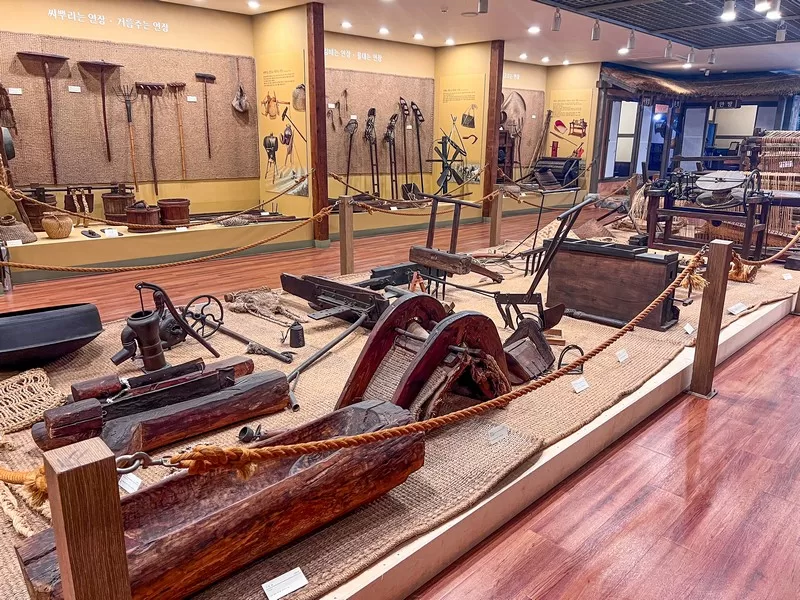
Gimhae Folk Museum (김해민속박물관)
A small folk museum, but with some great items on exhibition, the Gimhae Folk Museum has farming tools, crafts, and showcases village life from Korea’s past, grounding all of those big origin myths in everyday reality. It’s compact, well organized, and easy to explore even if you don’t read Korean fluently.
- Address: 35 Bunseong-ro 261 beon-gil, Gimhae-si, Gyeongsangnam-do, Korea (경남 김해시 분성로261번길 35)
- Hours: Tuesday ~ Sunday: 9:00am ~ 6:00pm
- Admission: Free
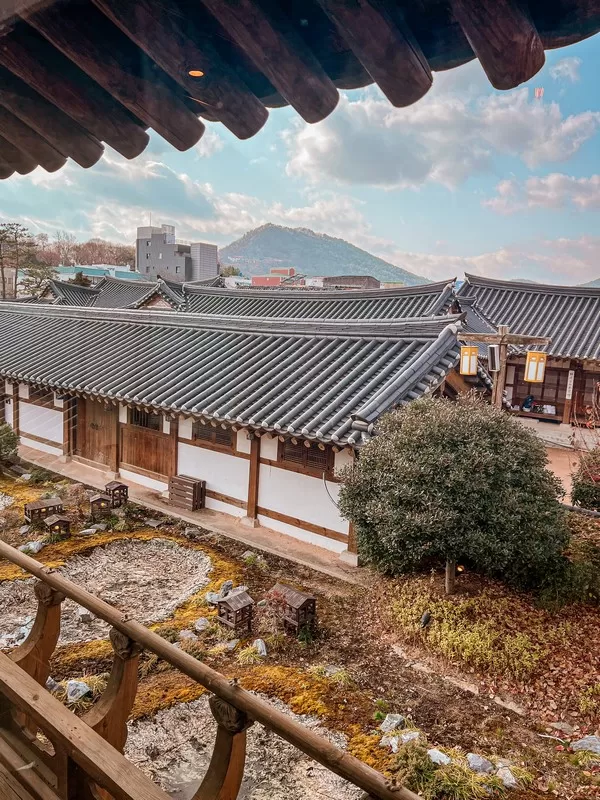
Gimhae Hanok Experience Center (김해한옥체험관)
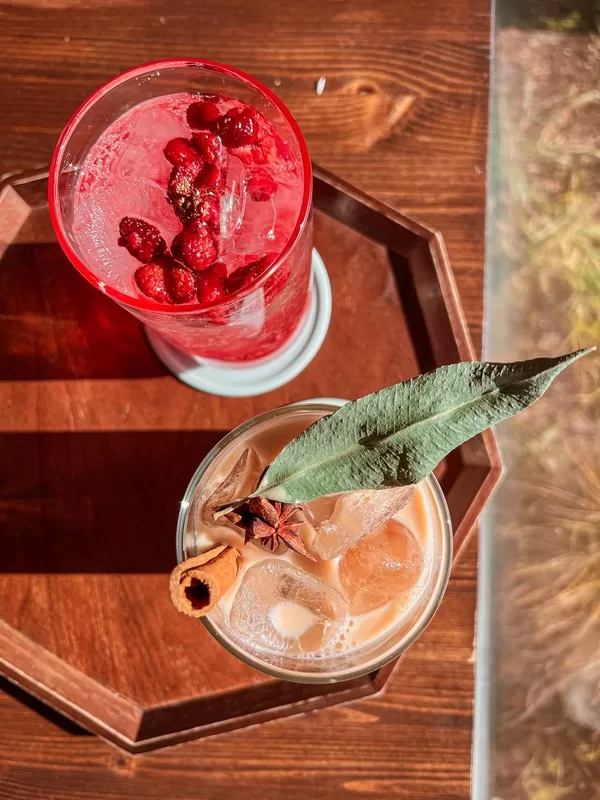
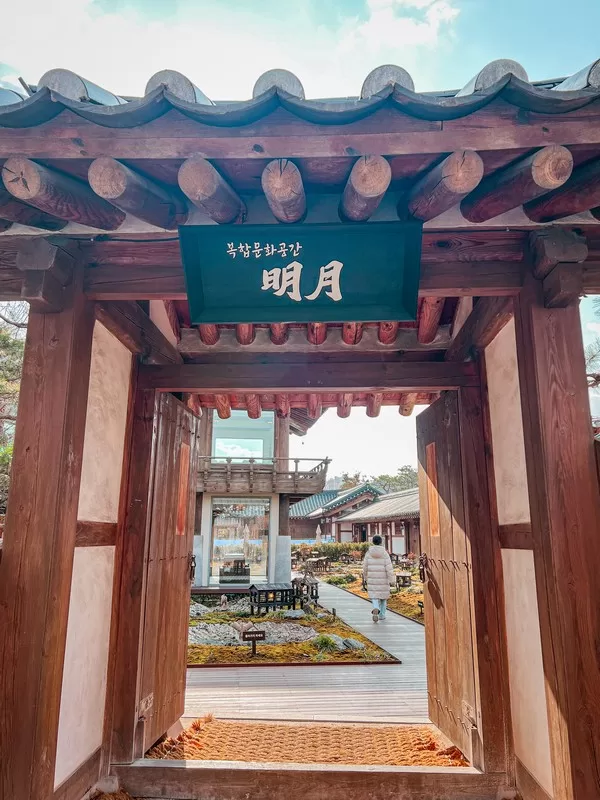
Just across the street from the folk museum is the Hanok Experience Center which is home to various places including shops, cafes, and traditional Hanok stays. They host events throughout the year including traditional weddings and more so it’s good to stay on top of what they’re doing. We visited the beautiful Hanok cafe called Myeongwol.
- Address: 40 Wangleung-gil, Gimhae-si, Gyeongsangnam-do (경남 김해시 왕릉길 40 김해한옥체험관)
Did you like this post? Pin iT!