Haengjusanseong Fortress: Where 2,300 Koreans Defeated 30,000
Last Updated on October 16, 2026
Bike west along the northern side of the Han River in Seoul long enough, and the path eventually seems to end, before actually just turning inland and heading toward Goyang, a suburb of greater Seoul. Goyang has far more to see and do than most Seoulites or visitors realize, and Deogyangsan Mountain (덕양산) is one of its better-kept open secrets.
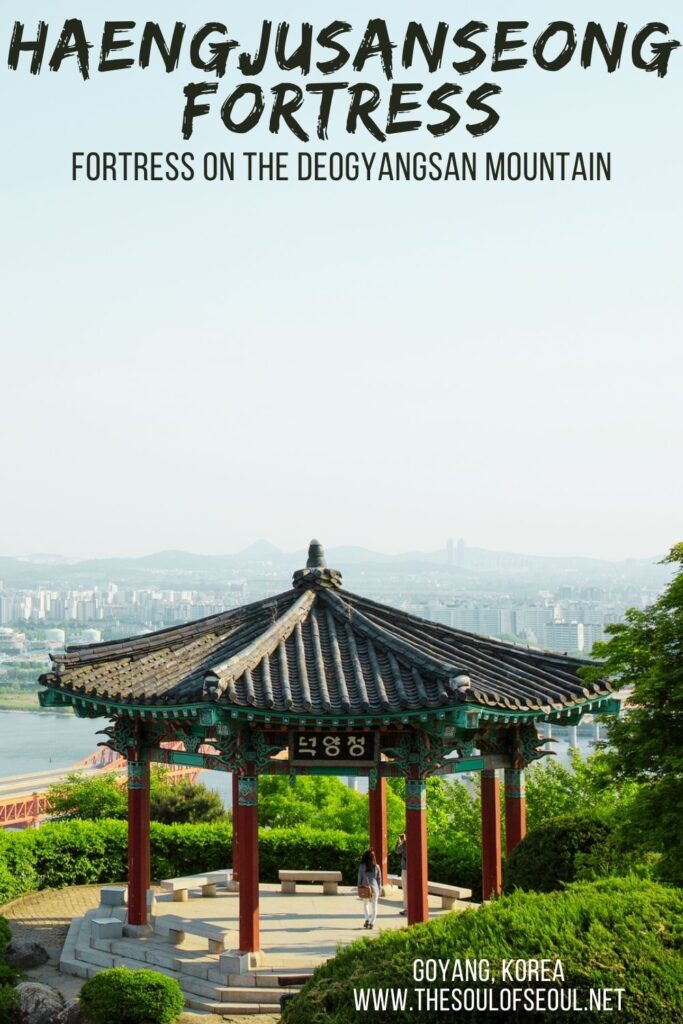
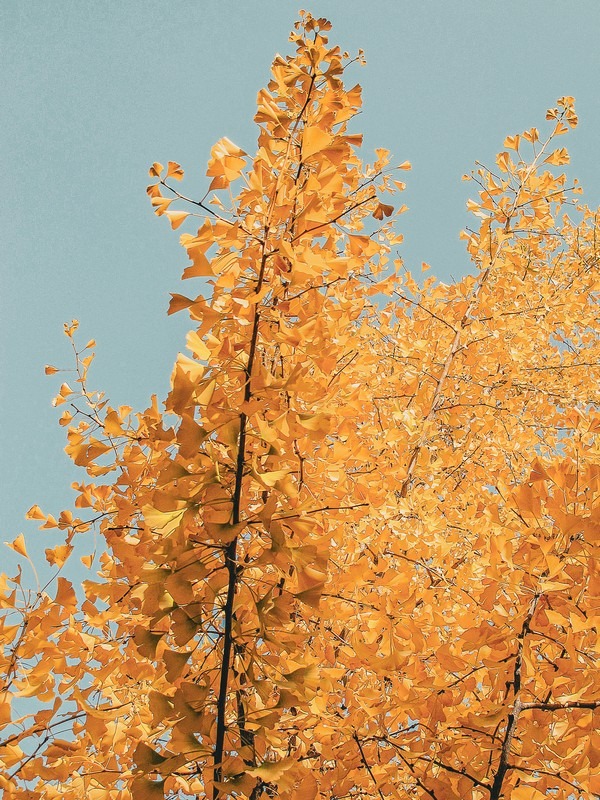
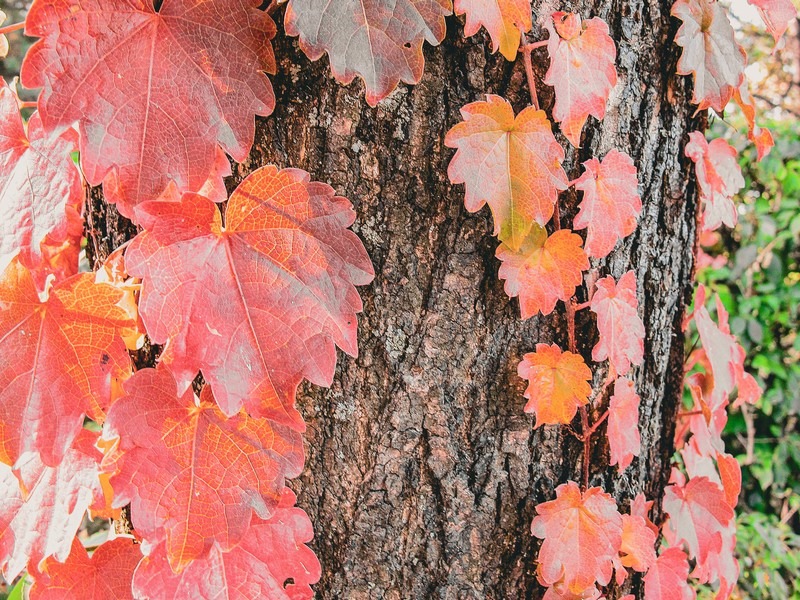
The bike paths curve around the base of the mountain, easy to spot thanks to a victory monument visible at the summit from a distance. This is an excellent mountain to climb, gentle enough that a stroller can make the trip, with paved paths the entire way. Visit in autumn for some of the best foliage views in the greater Seoul area.
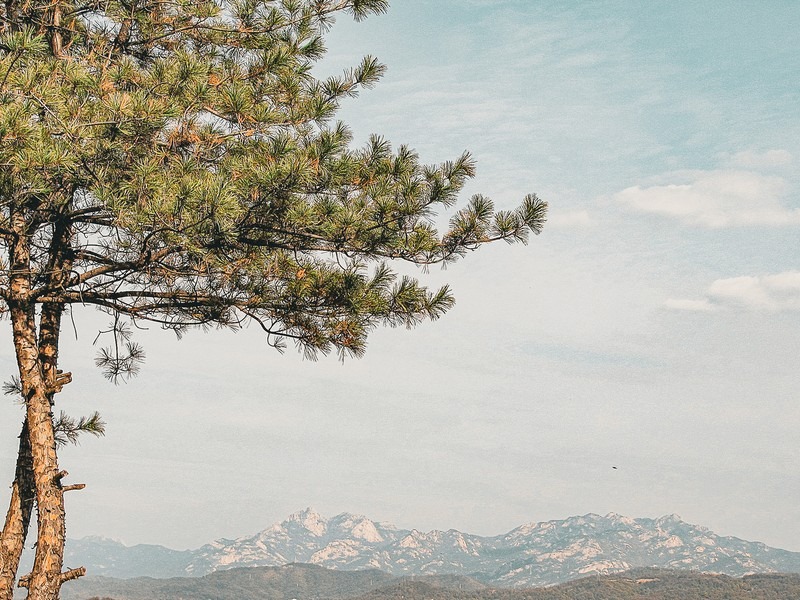
Get ready for a family-friendly adventure through history and with epic views at the top:
(This post contains affiliate links, which means I receive a certain percentage of a sale if you purchase after clicking at no cost to you. Thank you for your support.)
Basic Info
Address: 89 Haengju-ro 15beon-gil, Deogyang-gu, Goyang-si, Gyeonggi-do (경기도 고양시 덕양구 행주로15번길 89)
Direction: From Hapjeong Subway Station, exit 2, catch bus 921 and get off at the entrance to the fortress at Haengjunae-dong Bus Stop. From Hwajeong Subway Station, exit 4, cross the street and take maeul bus 011 or 012 and get off at Haengjusanseong Bus Stop.
Hours: 9:00am ~ 6:00pm*
- *The fortress is open at nights on Saturdays during the summer season from July to late September.
Admission: Free
Events held here:
- New Year’s Day: 5:00am ~ 9:00am: If you’re looking for how to celebrate New Year’s Eve in Seoul, there is a festival to welcome the sunrise here.
- Great Battle of Haengju Festival: March 14 at 10:00am; ceremonial rites, traditional music performances, history tours
Before you go: Wear sneakers or hiking shoes, bring water, and budget enough time to see the full site rather than rushing straight to the summit. A short stretch before climbing isn’t a bad idea either, the path is gentle, but it’s still a real incline.
The Battle of Haengju
Fortifications have likely existed on this site since the Three Kingdoms period, possibly as early as the mid-7th century, taking advantage of a broad plateau ringed by steep cliffs, terrain consistent with early Korean fortress design. Archaeological excavations in 1991, 2000, 2016, 2017, and 2019 confirmed the Haengjusanseong Fortress (행주산성) had been rebuilt multiple times across the Goryeo and Joseon periods, and as recently as 2017-2019, evidence emerged that the original Three Kingdoms-era structure was a stone fortress, correcting an older assumption that it had been earthen.
None of that, though, is why most people climb this mountain. Haengjusanseong is famous for a single day: March 14, 1593, when General Gwon Yul, commanding roughly 2,300 Korean troops, primarily regular Joseon army soldiers alongside a contingent of Buddhist monk-soldiers from Jeolla-do, held this fortress against an invading Japanese force of 30,000 during the Imjin War.

The numbers alone explain why this battle still resonates. Outnumbered roughly thirteen to one, Gwon Yul’s forces had spent three days fortifying the site beforehand, building ditches, wooden palisades, and defensive walls on the steep slopes. When Gwon Yul opened the fortress armory, he reportedly found around forty hwacha, Korea’s devastating multiple rocket-launcher artillery, along with large stores of arrows.
The Japanese force, led by commanders including Konishi Yukinaga and Ukita Hideie, attacked in waves through the day, using siege towers and repeated assaults. Korean defenders held with arrows, cannon, and hwacha fire. At the point the Koreans nearly ran out of arrows, reinforcement ships arrived via the Han River carrying roughly 10,000 additional arrows, allowing the defense to continue until the Japanese retreated at dusk.
The defeat, combined with a raid that burned over 6,500 tons of Japanese grain stores near Hanseong (modern Seoul), left Japanese forces with less than a month of provisions. Within two months, Japan abandoned Hanseong entirely. The Battle of Haengju is remembered today as one of the three greatest Korean victories of the Imjin War, alongside the Battle of Hansan Island and the Siege of Jinju.
The Haengju Apron: Legend vs. History
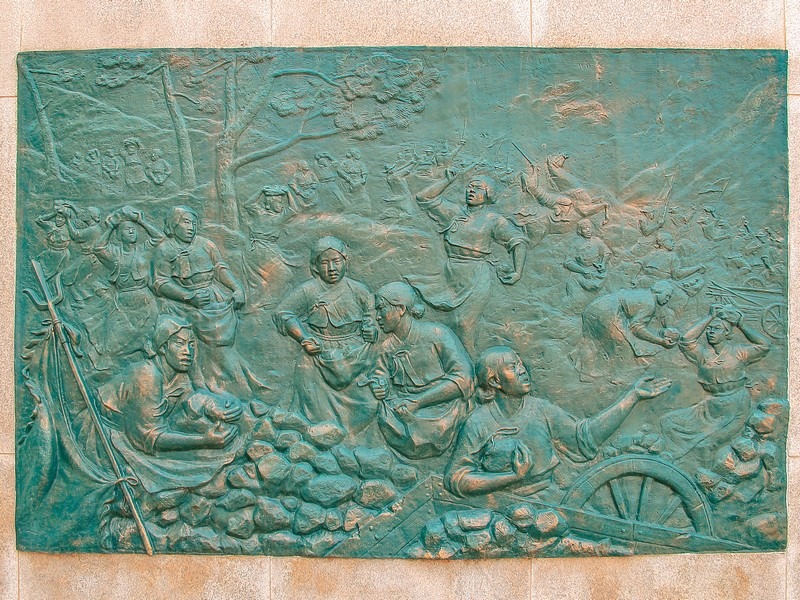
The most-told story about this battle is that Korean women joined the fighting directly, carrying stones to the defenders in their aprons after a single layer of their skirts proved too revealing for the task, an event credited with giving rise to the term “haengju chima” (Haengju apron), still used in Korean today.
It’s a powerful image, but it’s worth knowing that the historical record complicates this slightly. The term “haengju chima” appears in Korean texts dating to 1517 and 1527, both decades before the 1593 battle took place, suggesting the phrase already existed and was likely retroactively connected to the battle because of the shared place name, rather than originating from it. Some historical analysis also suggests that, given how suddenly the battle began and the absence of nearby civilian housing at the time, the defenders were overwhelmingly regular army troops and monk-soldiers rather than local townspeople pressed into service.
None of this diminishes what actually happened at Haengju. The statue and memorial reliefs at the fortress today still depict women among the defenders, showing how deeply the legend has woven itself into how this battle is remembered and honored.
What To See
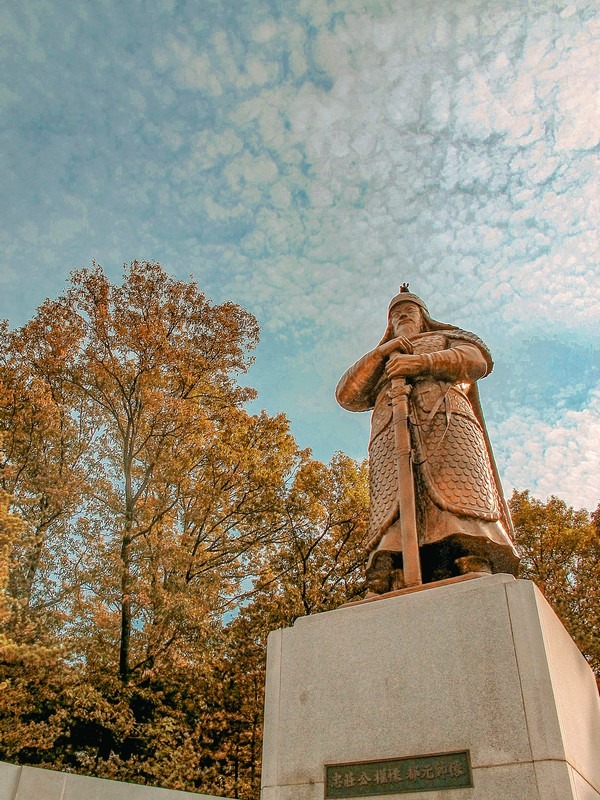
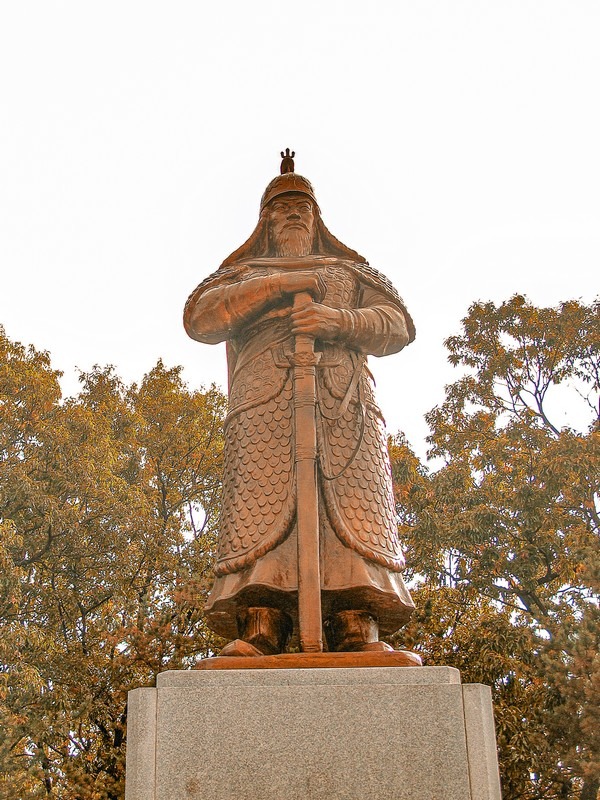
Passing through Daecheopmun Gate, which marks the formal start of the fortress grounds, visitors are met with an imposing statue of General Gwon Yul. Bronze relief panels surrounding the statue depict the different groups who defended the fortress: government soldiers, monk-soldiers, righteous army volunteers, and the women credited in popular memory with carrying stones to the defenders.
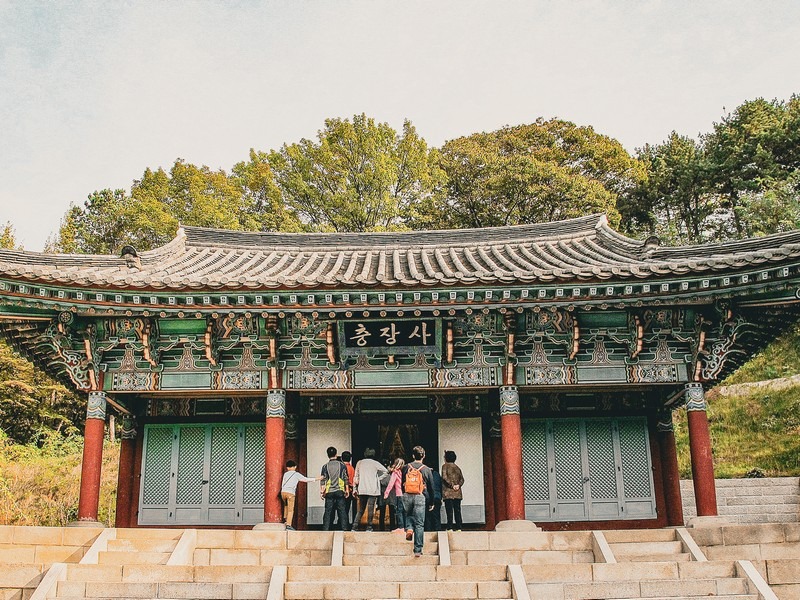
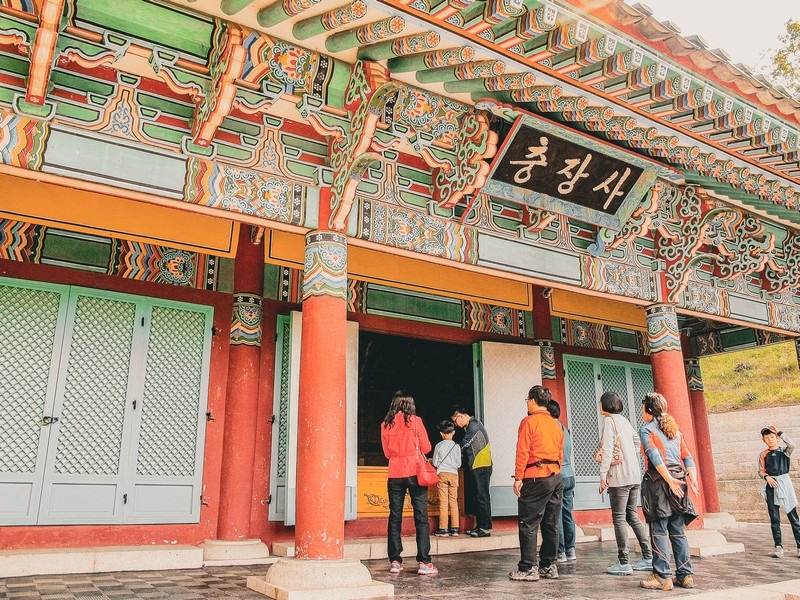
Partway up the trail, Chungjangsa Shrine enshrines a portrait of General Gwon Yul. Each March 14th, the shrine holds a ritual commemorating the battle on its anniversary.
Further along, the path forks: left continues toward the summit, right leads to the Memorial Hall for the Battle of Haengju. The Memorial Hall is well worth the detour, housing weapons used in the battle, including examples of sinjijeon, the secretive Joseon rocket-arrow technology that proved decisive in the fortress’s defense, alongside paintings depicting the Battle of Haengju and two other major Imjin War battles, the Battle of Ichi and the Battle of Doksanseong Fortress.
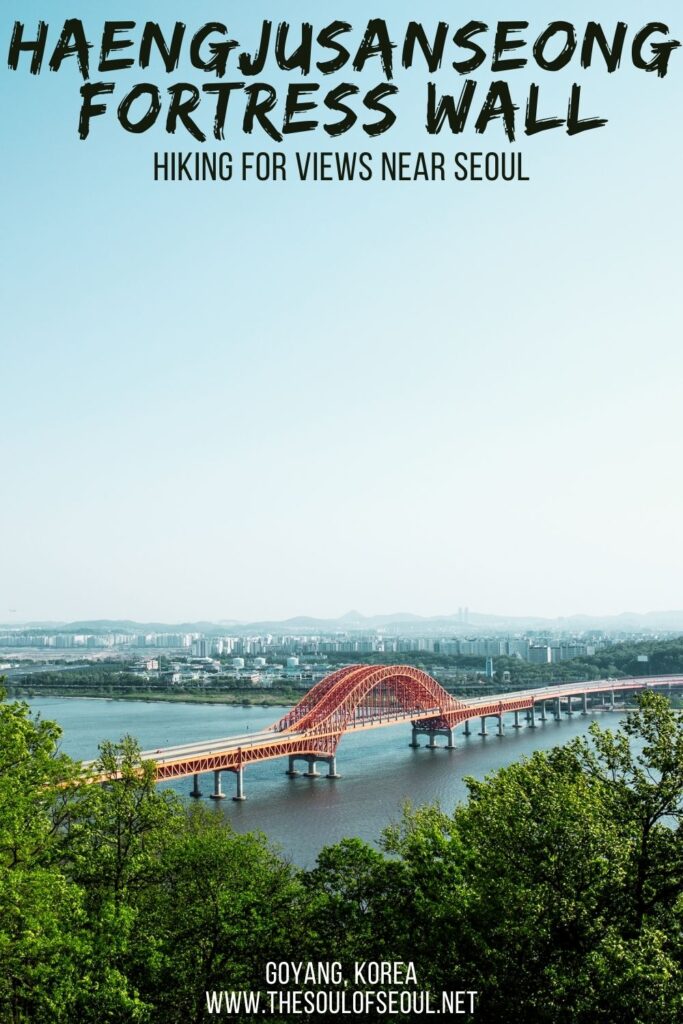
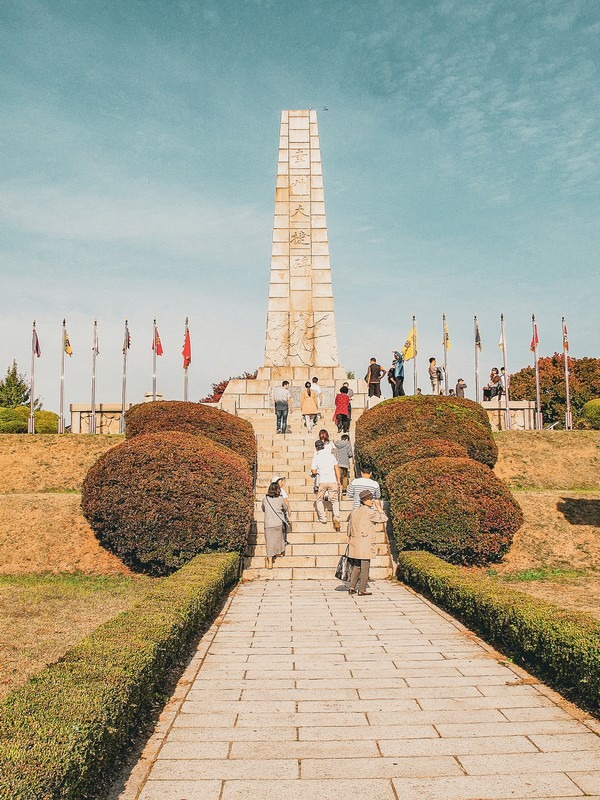
Continuing from the fork toward the summit, the path leads to the Battle of Haengju monument, originally erected in 1603 (a decade after the battle), paired with sweeping views over the Han River. It’s hard to overstate how different this summit feels once you understand what happened there, the panoramic view and the weight of the history combine in a way that few other Seoul-area hikes manage.
The full paved path takes about 20 minutes with some meandering, gentle enough for strollers and young children. A few unpaved side trails branch off for those wanting a slightly rougher walk. Throughout, additional pavilions, gazebos, shrines, and halls offer places to pause, learn, and take in the surroundings without turning the visit into a forced museum march.
In recent years, the fortress has become an increasingly popular day-trip destination for people seeking real history, a proper walk, and strong views, all within easy reach of central Seoul.
FAQ
What happened at Haengjusanseong Fortress?
On March 14, 1593, General Gwon Yul led approximately 2,300 Korean soldiers and monk-soldiers in successfully defending Haengjusanseong against an invading force of 30,000 Japanese troops during the Imjin War. The victory is remembered as one of the three greatest Korean victories of the entire war.
Is the story about women carrying stones in their aprons true?
The legend is deeply embedded in how the battle is remembered, and is still told as fact in most tourism materials, including the fortress’s own. However, historical linguistic evidence shows the term “haengju chima” (Haengju apron) predates the battle by decades, suggesting the connection between the term and the battle may be a later, retroactive association rather than the apron’s actual origin.
Is Haengjusanseong Fortress stroller accessible?
Yes, the main path from the entrance to the summit is paved and gently sloped, suitable for strollers, with wheelchair accessibility and an accessible restroom on site.
How long does it take to visit Haengjusanseong?
The paved path to the summit takes about 20 minutes, but budget 1.5 to 2 hours to properly see the statue, Chungjangsa Shrine, the Memorial Hall, and the summit monument without rushing.
How do I get to Haengjusanseong from Seoul?
From Hapjeong Station, take bus 921 to the Haengjunae-dong Bus Stop. From Hwajeong Station, take maeul bus 011 or 012 to the Haengjusanseong Bus Stop.
When is the best time to visit?
Autumn for foliage views from the summit. The site also hosts a New Year’s Day sunrise festival, an annual Battle of Haengju commemoration on March 14, and periodic night viewing events, check current dates before planning around these.
Is there an admission fee?
Yes, modest pricing of Adults ₩1,000, Youth ₩500, Children ₩300.
A 20-minute, stroller-friendly walk to a summit with Han River views would be reason enough to visit Haengjusanseong. That it’s also the site of one of the most decisive underdog victories in Korean military history, complete with hwacha artillery, last-minute arrow reinforcements by river, and a legend so enduring that historians still gently push back on it, makes this one of the more genuinely rewarding short trips out of Seoul.
Did you like this post? Pin IT!