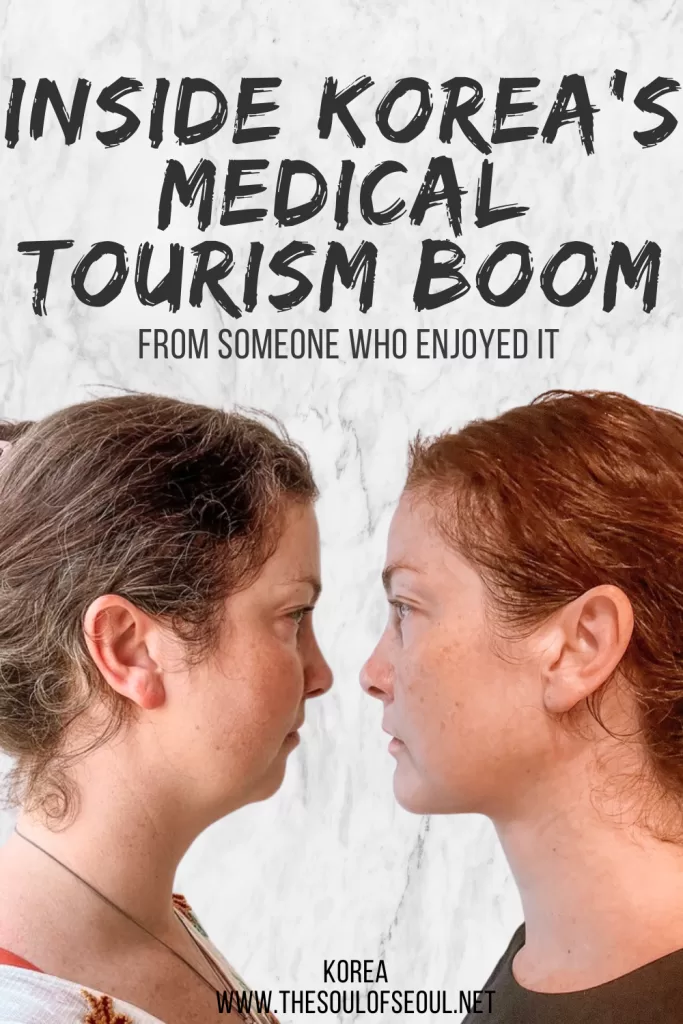
Inside Korea’s Cosmetic Tourism Boom: My Experience With Genioplasty, Elasticum, Accu 2 Part, and Submentoplasty
Last Updated on October 21, 2025
When you think of traveling to South Korea, you probably imagine bustling Seoul streets, K-dramas, or maybe a steaming bowl of kimchi jjigae. But for millions of visitors, there’s another reason to book a flight here: cosmetic and medical tourism.
There has been a boom in recent years with tourists coming to Korea for not only surface level beauty treatments like facials, but more in-depth medical treatments. Korea offers not only highly trained specialists and cutting-edge procedures, but also affordable prices compared to the US or Europe. A treatment that might cost thousands of dollars in New York could be a fraction of the price in Seoul.
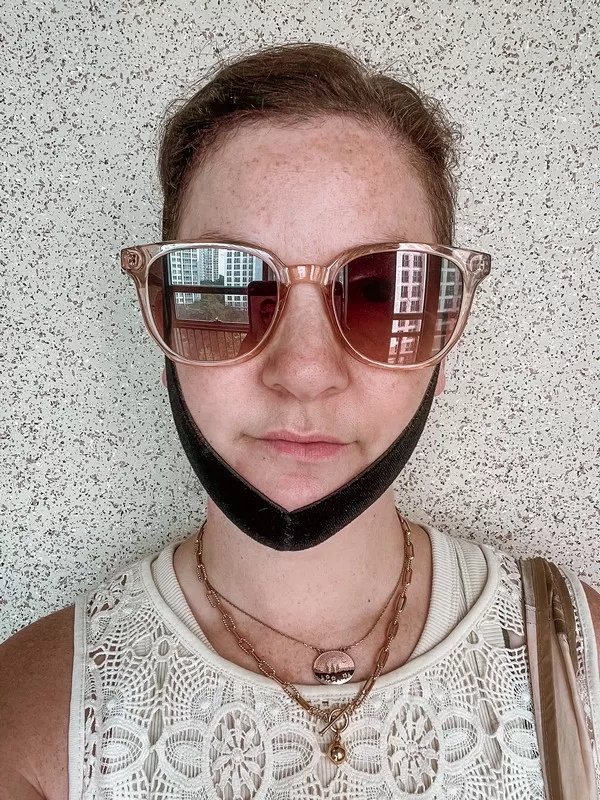
I’ve lived in Korea since 2006, so I’ve watched as the beauty industry has changed, grown, and innovated and I was ready to do more than lasers, PRP, and serums. I’ve hit forty, my chin was headed south, so I decided to reach out to Seoul Cosmetic Surgery to see what I could do about it.

My Experience With Genioplasty, Elasticum, Accu 2 Part, and Submentoplasty:
- Sagging Chin No More
- Behind the Boom
- My Cosmetic Surgery Experience in Seoul
- Practical Tips for Tourists Considering Cosmetic Surgery in Korea
(This post contains affiliate links, which means I receive a certain percentage of a sale if you purchase after clicking at no cost to you. Thank you for your support.)
Sagging Chin No More
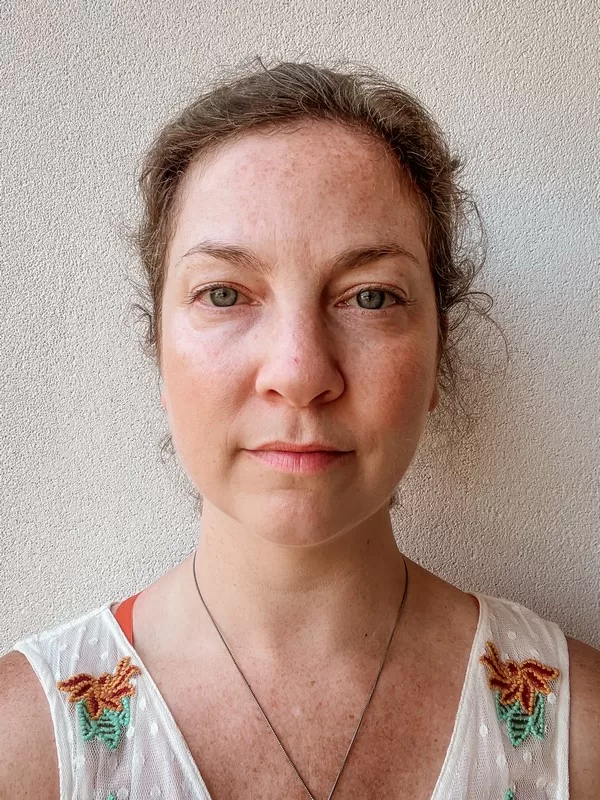
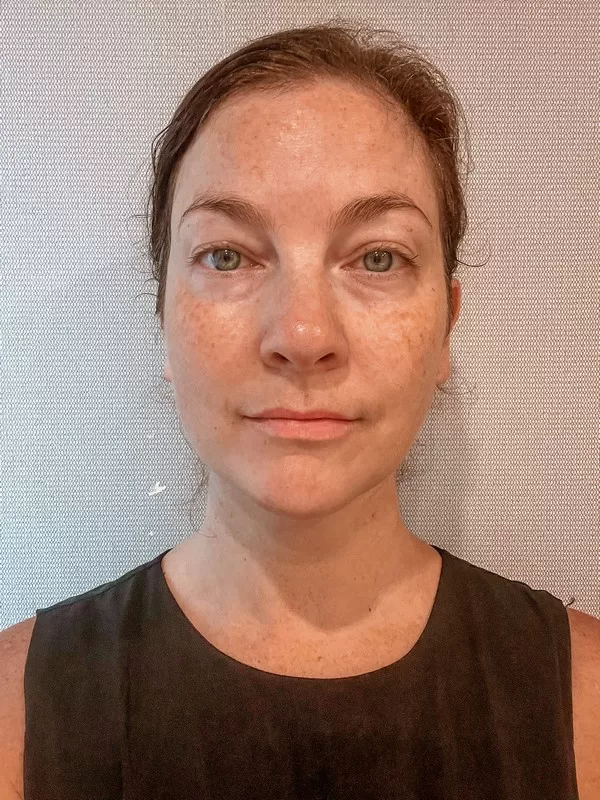
What I decided to do about my sagging chin while in Korea:
- Genioplasty: chin surgery to reshape the profile
- Elasticum on the neck: a minimally invasive lift using elastic threads to improve sagging
- Accu 2 part: a precision fat reduction and contouring procedure
- Submentoplasty: tightening under the chin and neck area
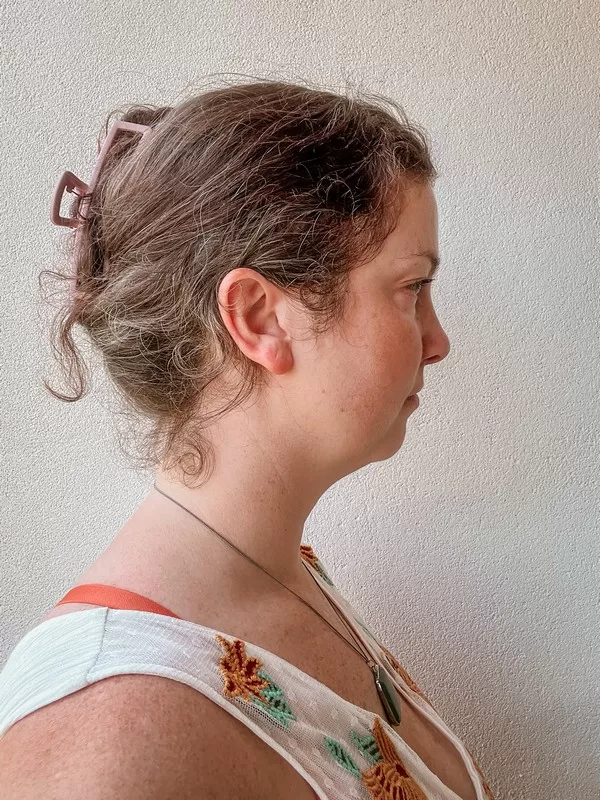
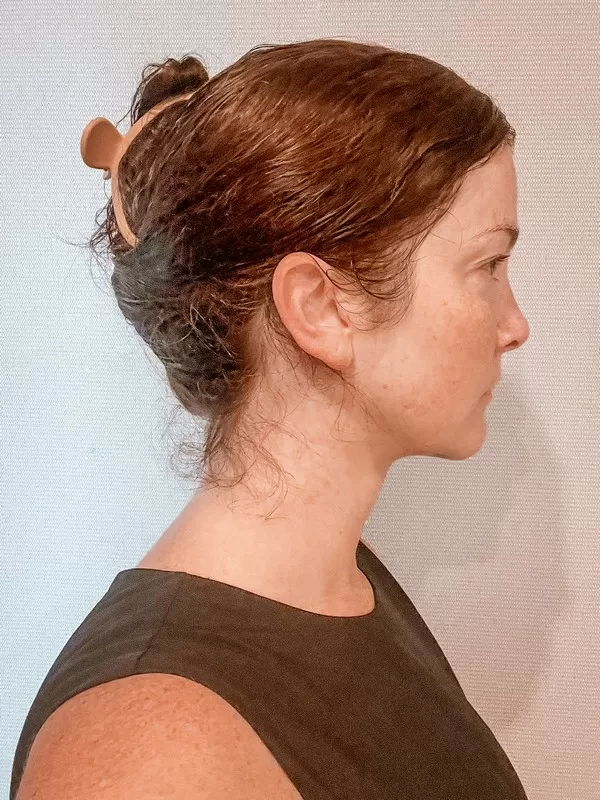
It might sound like a lot, but one of the big draws of Korea is the ability to bundle treatments together, often at discounted rates. In fact, clinics actively encourage patients to combine procedures to maximize results during a single recovery period. Everyone’s body is different though, so think about yourself and what you will be able to manage.
I’ll be sharing my full recovery journey over the first two months, but first, it’s worth understanding why South Korea has become the global beauty capital.
Behind the Boom
South Korea isn’t just exporting K-pop and K-dramas, it’s exporting beauty standards and medical services, too. The rise in medical tourism here is deeply tied to hallyu, the global Korean Wave.
Did you know? Nearly half of medical tourists polled in 2023 said their decision to come was influenced by Korean media. A favorite drama star or idol can spark curiosity about everything from glass skin facials to jawline surgery.
At the same time, the government has actively supported the industry. Since 2009, they’ve introduced tax refunds for cosmetic surgery, loosened visa restrictions, and even opened Medical Korea Information Centers. It’s not just about looking good, it’s a multi-billion-dollar strategy to boost the economy, and it’s working.
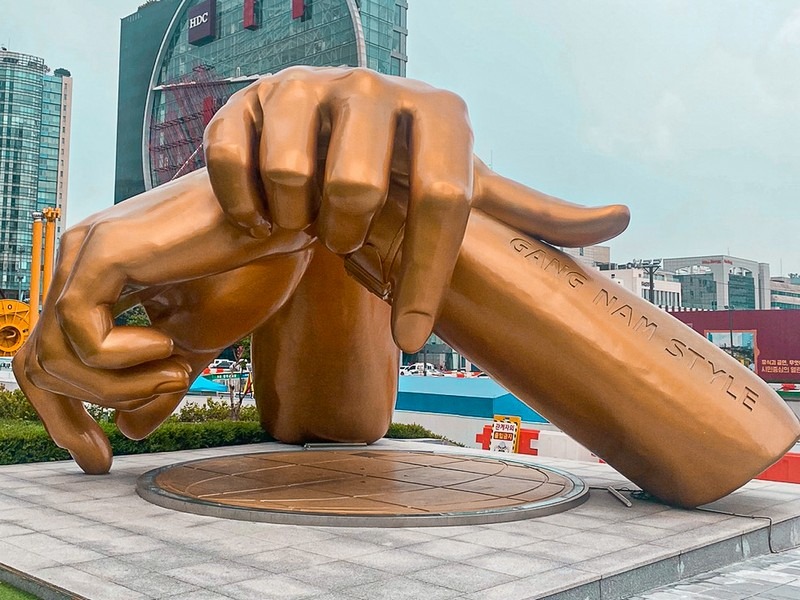
Did you know? In 2024 alone, nearly 1.2 million foreign patients came to Korea for medical treatments, with over half seeking dermatological or cosmetic procedures. Head to Gangnam and you’ll see rows of glossy clinics, advertisements of wide-eyed models, and signs promising rejuvenation that are drawing more and more tourists to their doors.
Cosmetic procedures in Korea are much more normalized than in many other countries. A 2018 study showed that 1 in 3 Korean women in their 20s had already had cosmetic surgery. Walking through Apgujeong or Gangnam, you’ll see billboards offering everything from simple Botox to full facial reconstruction. For locals, these treatments are as everyday as getting braces or whitening teeth might be elsewhere.
Of course, the boom isn’t without its challenges. Foreign patients can face language barriers, cultural misunderstandings, and even legal risks. Korea’s strict defamation laws mean that writing a negative review online, even if it’s true, can sometimes result in legal trouble. Add in ongoing doctors’ strikes and the occasional “factory clinic” that prioritizes volume over patient care, and it’s clear that doing research before you book is critical.
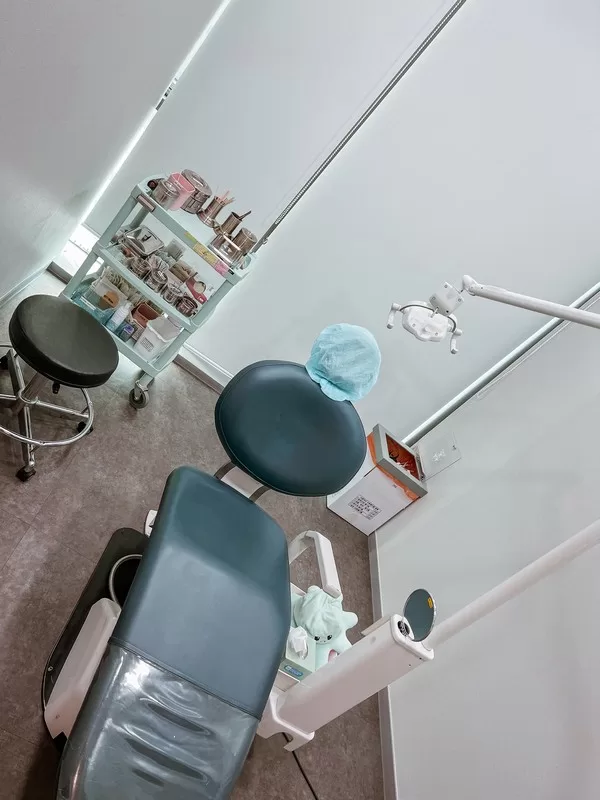
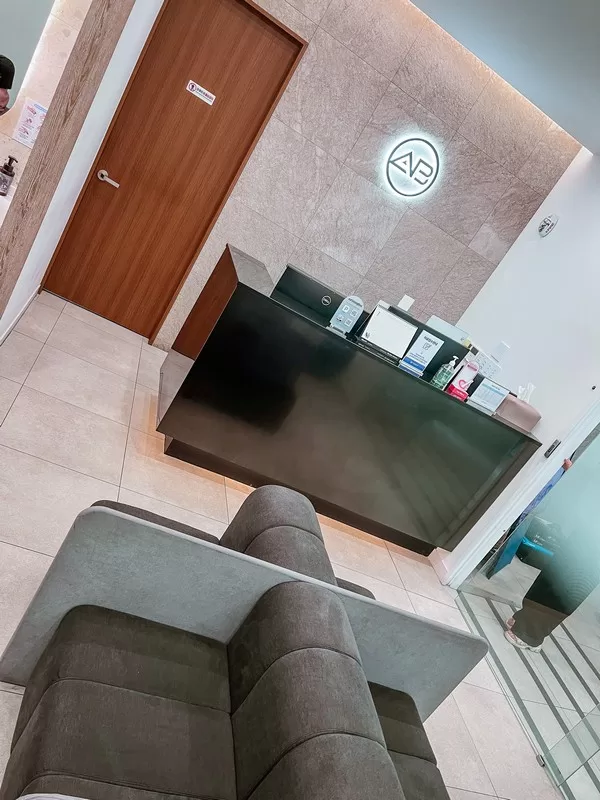
That’s why I decided to go through Seoul Cosmetic Surgery, a government-licensed concierge service that’s been around for years. Their longevity in the market gave me confidence, and honestly, it was far easier than trying to sort through endless online reviews (and remember you have to take them with a grain of salt since people can’t post negative reviews) and clinic websites myself.
Seoul Cosmetic Surgery recommended AB Plastic Surgery Clinic, handled the logistics, and checked in on me daily during recovery, taking away a lot of the stress that can come with medical tourism.
My Cosmetic Surgery Experience in Seoul
Consultations and Choosing My Procedures
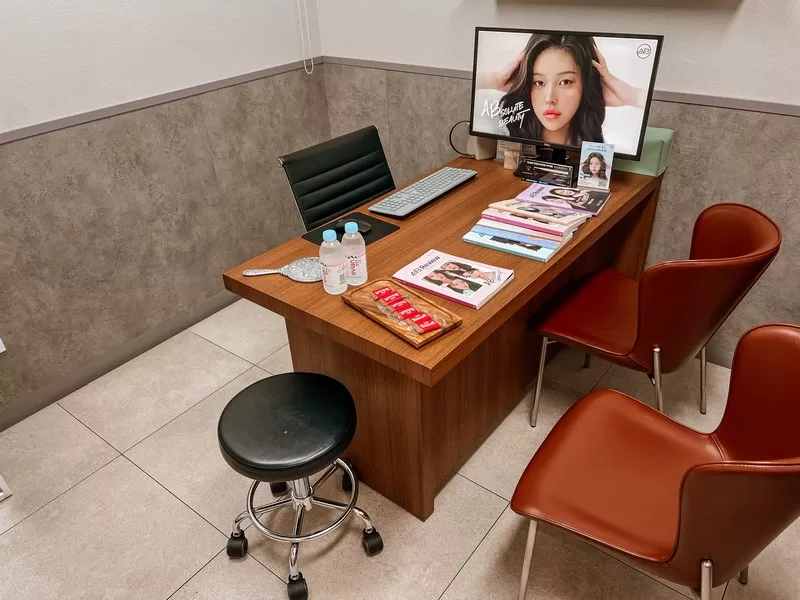
I went through Seoul Cosmetic Surgery, a licensed medical tourism concierge in Korea. They connect international patients with reputable clinics, arrange translation, and even check in during recovery. For me, they recommended AB Plastic Surgery Clinic in Gangnam, where two surgeons handled different parts of my procedures: Dr. Jo Kyu Sang performed the Elasticum, Accu 2 Part, and submentoplasty, while Dr. Jo Dong Pil performed the genioplasty.
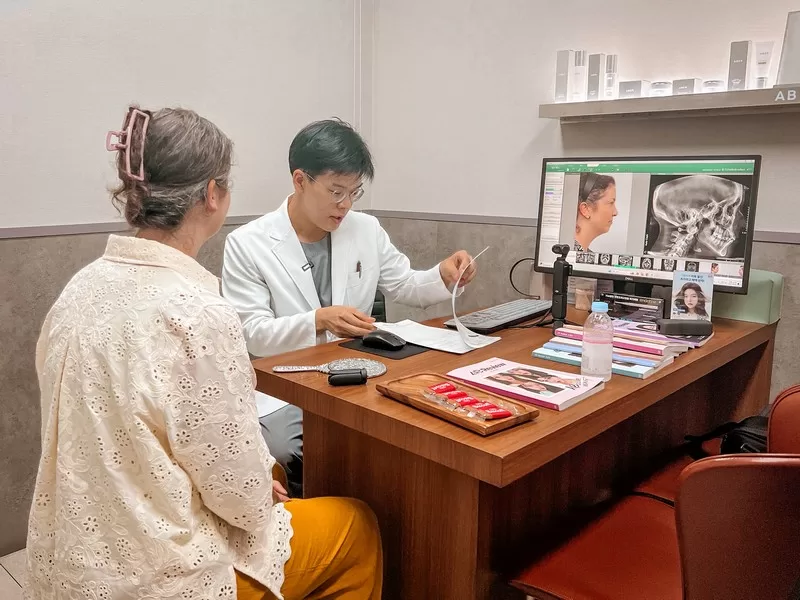
My first consultation took place two weeks before surgery, though for many tourists your consultation will take place the same day or the day before the procedure. Photos were taken, my face was analyzed, and I was given two potential options: a full facelift, or a more targeted approach for my chin and neck area.
Since I wasn’t ready for a full facelift, I opted for the combination that best suited my concerns. The doctors, noticing my discomfort with the idea of a full facelift, came back later in our consultation with a more information about my option. I had a second consultation the day before surgery to walk through every step again, ask questions, and confirm the plan.
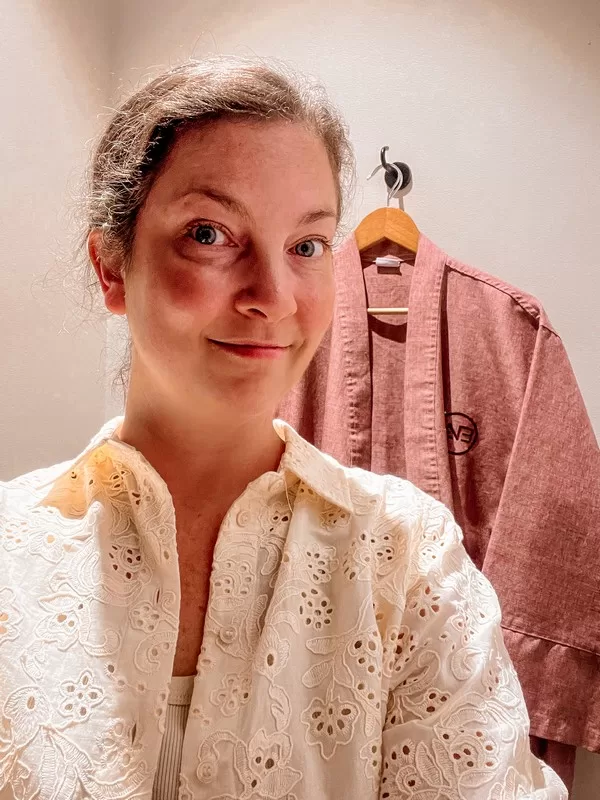
Surgery Day (Day 0)
Surgery day began at 10:00am and I didn’t get back to my Airbnb until around 9:00pm. After prepping and paperwork, there was a lot of time to wait. This was unfortunate because I wasn’t allowed to eat or drink for 12 hours prior to the surgery so I was dehydrated and hungry.
Finally, I went under general anesthesia and was out for about three hours. Waking up in the recovery room was disorienting, one moment you’re falling asleep, and the next you’re in a totally different place.
I felt dazed and emotional, even on the verge of tears, but the nurses were wonderful. One held my hand and told me softly not to cry, reassuring me that I was okay and right where I was supposed to be.
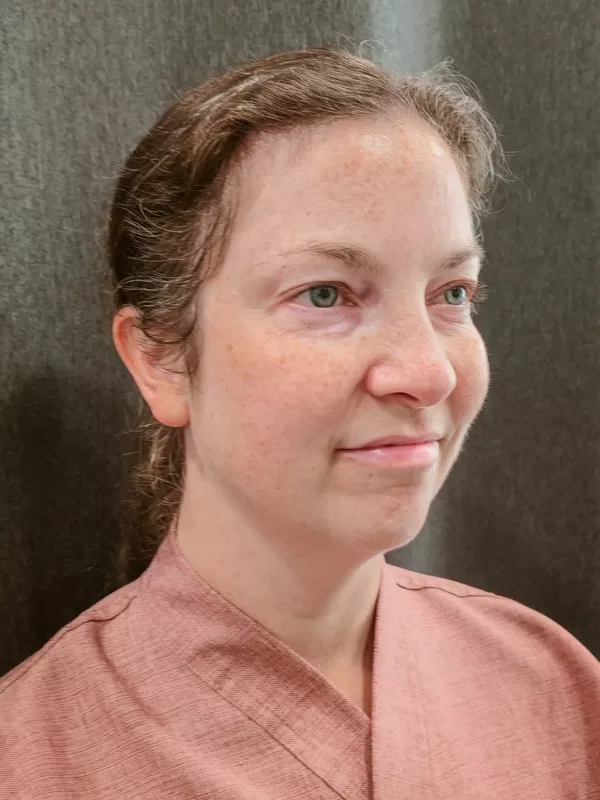
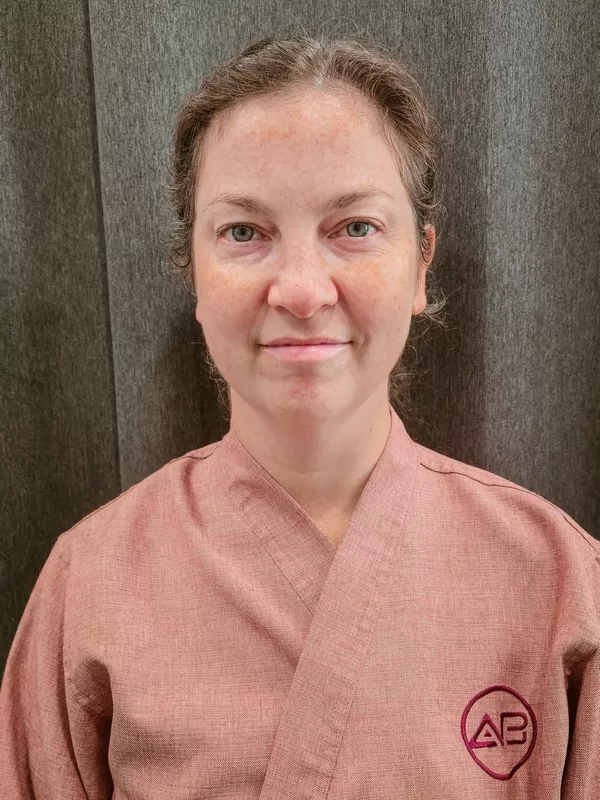
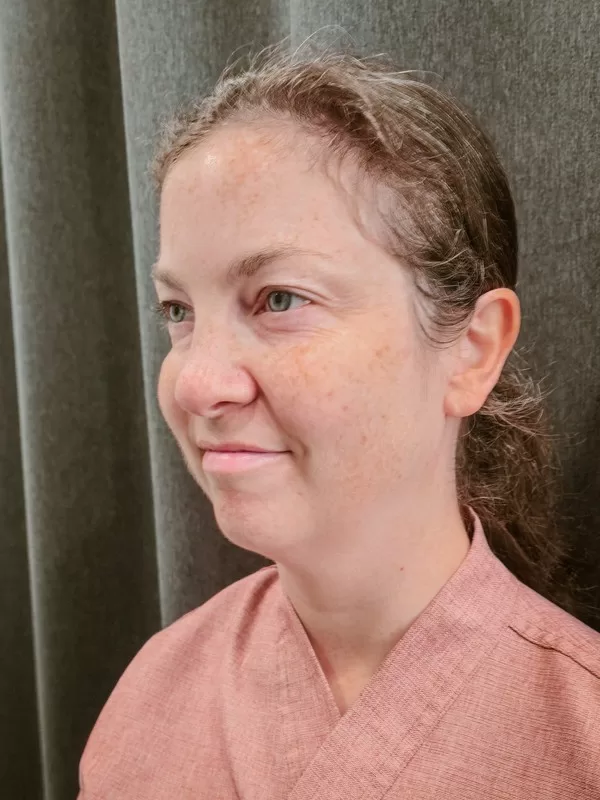
Soon after, I was encouraged to stand and start walking, which apparently helps with circulation and recovery. I awkwardly changed into my clothes, still a bit woozy, and I was discharged to Mona from Seoul Cosmetic Surgery who arranged for transportation back to my Airbnb. I certainly couldn’t have done it. Make sure you have someone to assist you.
Seoul Cosmetic Surgery staff checked in daily to make sure I was okay and even offered to bring food if needed. That night, I propped myself up on pillows to sleep at an incline, essential for reducing swelling.
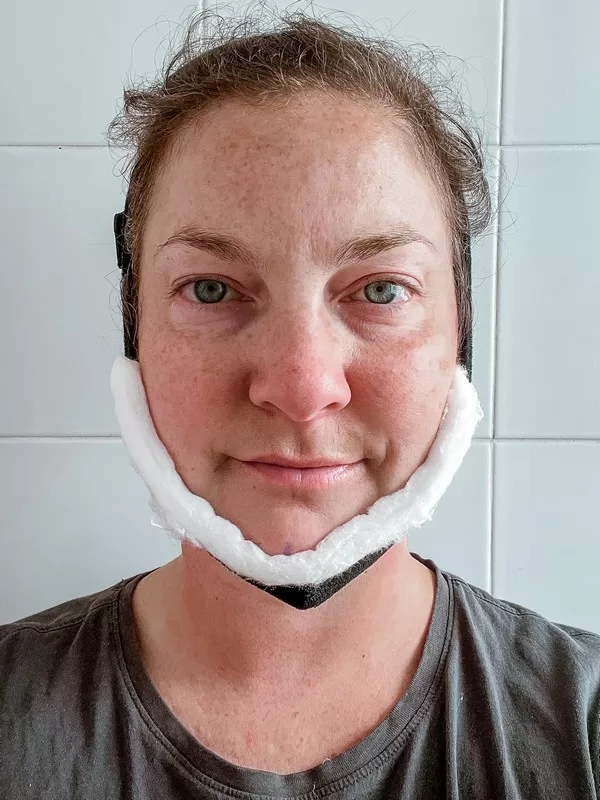
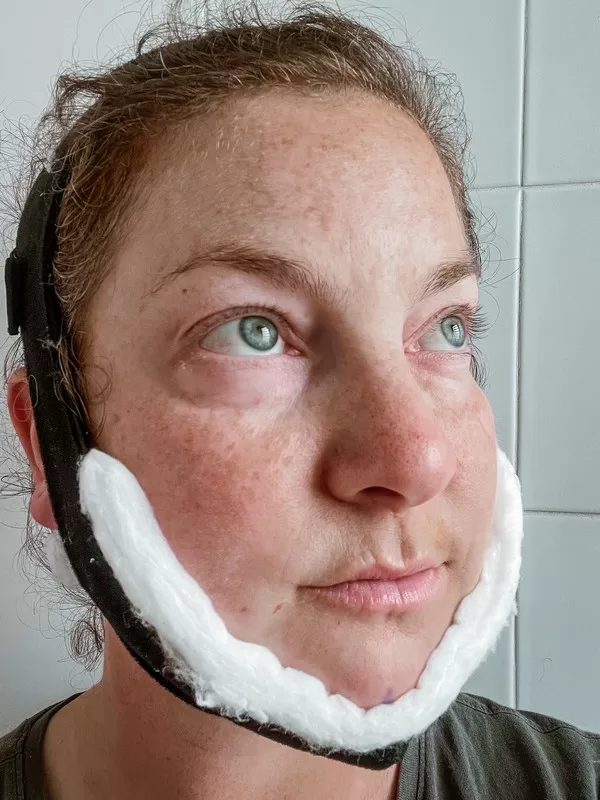
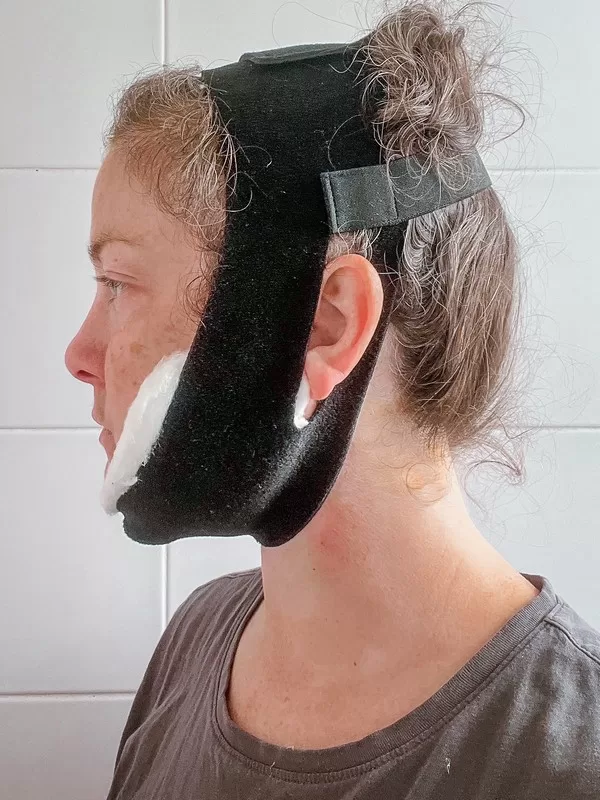
Day 1-3: The First Stretch
The first few days were about rest. Surprisingly, I wasn’t in much pain, more discomfort and numbness than anything. My chin stayed numb, and even two months later, sensation is still gradually returning to every part. Eating was the biggest challenge. My mouth barely opened, so meals consisted of Korean porridge (juk), soups, and yogurt.
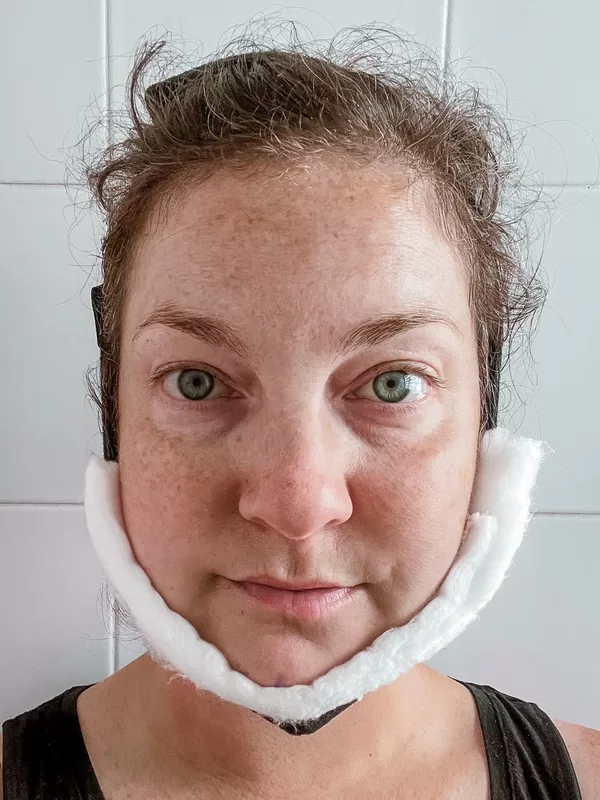
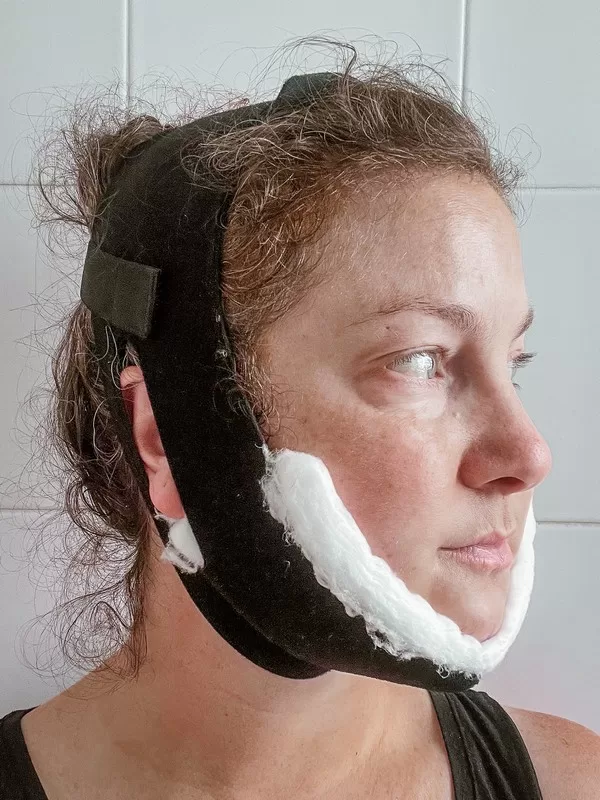
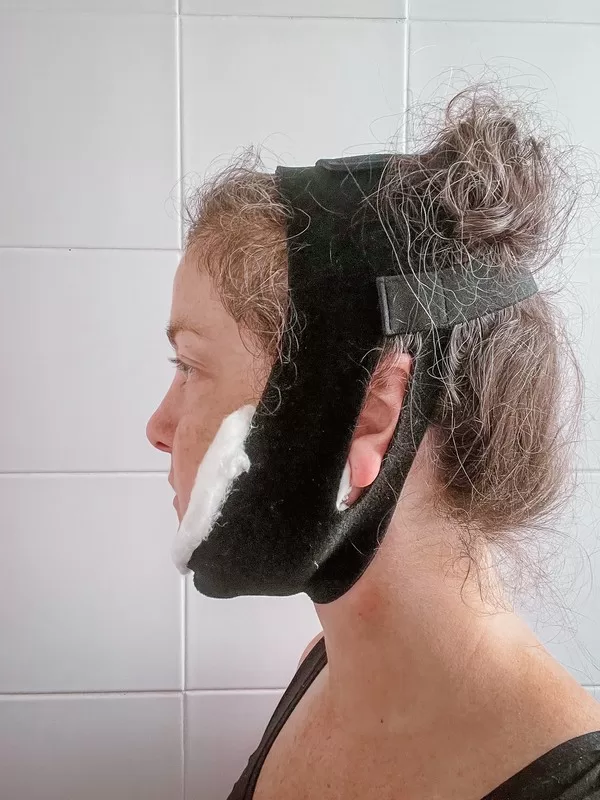
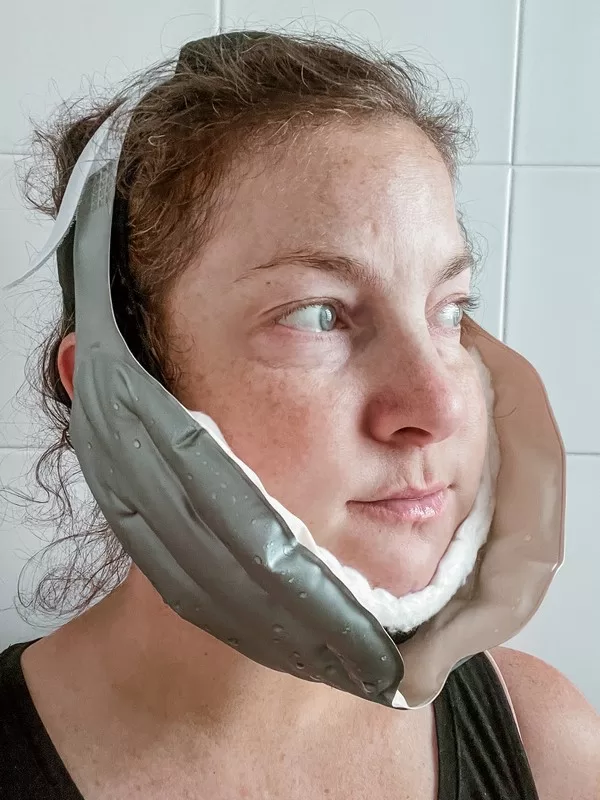
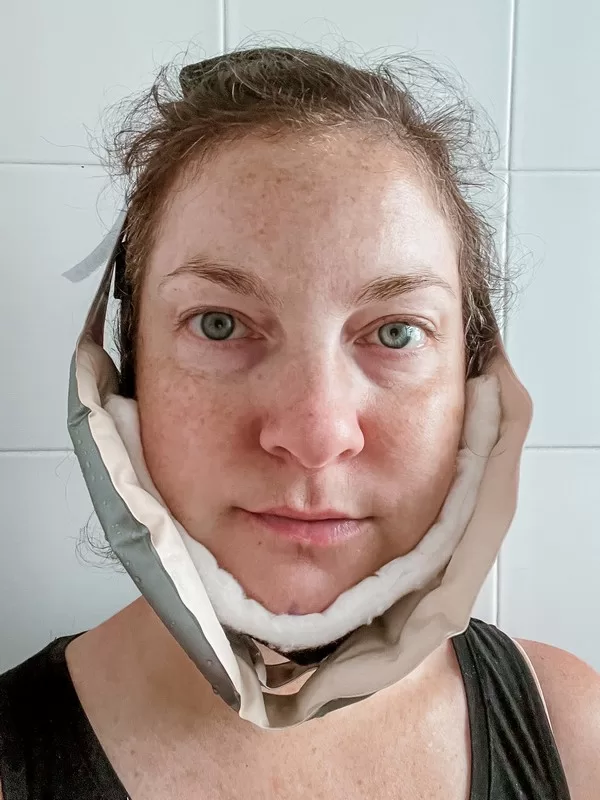
After each meal, I rinsed with a saline gargle solution provided by the clinic, since I couldn’t brush my teeth yet. I also took a rotation of medications: antibiotics, painkillers, and something to settle my stomach. Ice packs were my constant companion. The first three days were mostly eating, taking medicine, and then taking a nap before the next round of medicine.
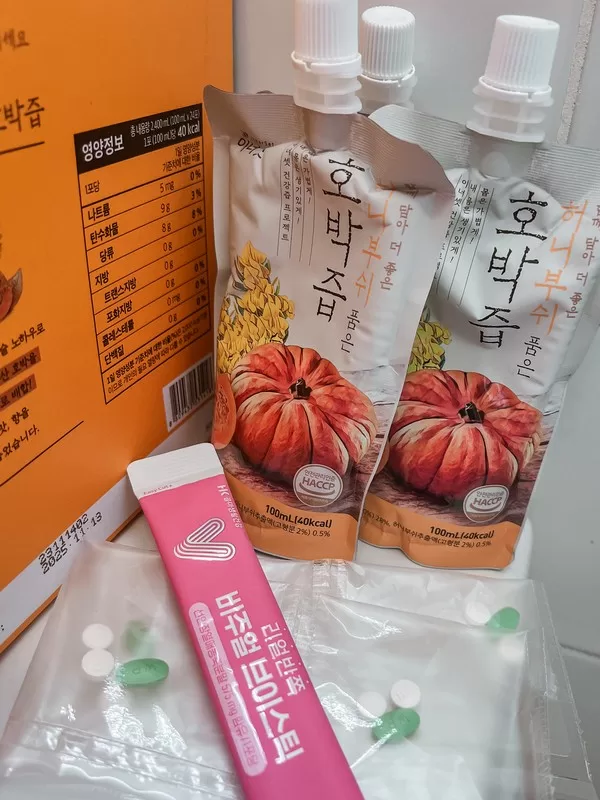
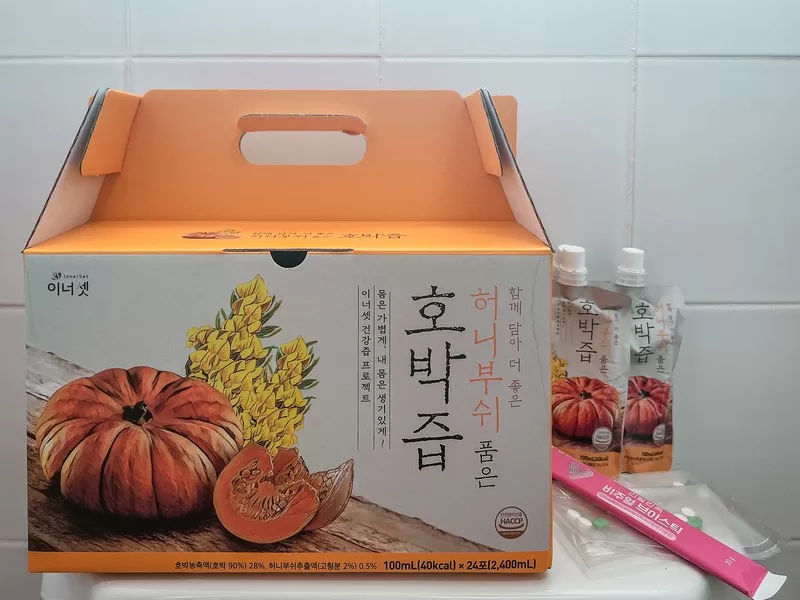
Pro tip: In Korea, pumpkin porridge (hobakjuk) and pumpkin extract are the go-to recovery foods. Pumpkin is thought to reduce swelling thanks to its high potassium, and it’s gentle on the digestive system post-anesthesia. I leaned into this tradition and ate pumpkin daily.
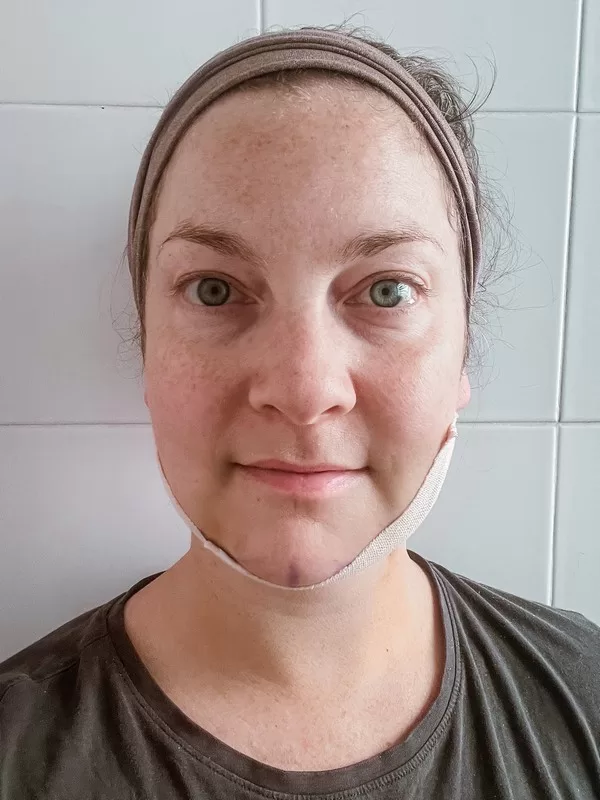
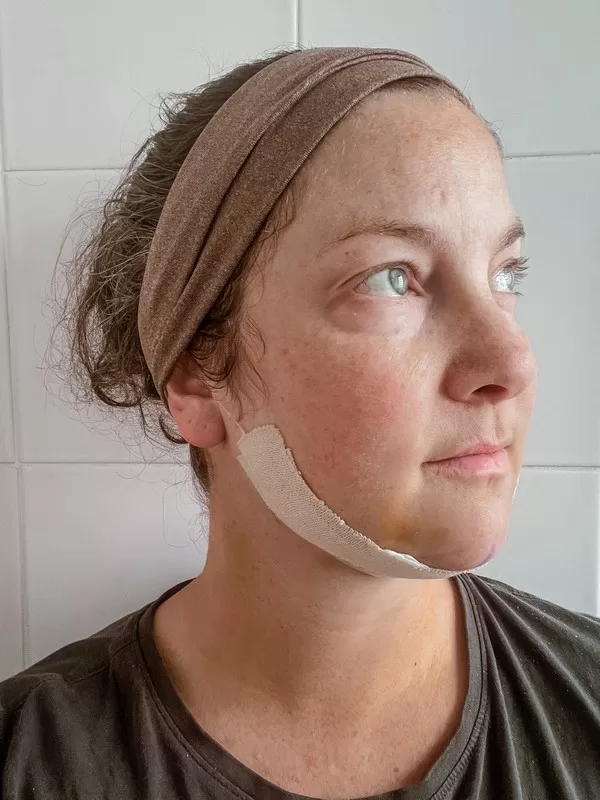
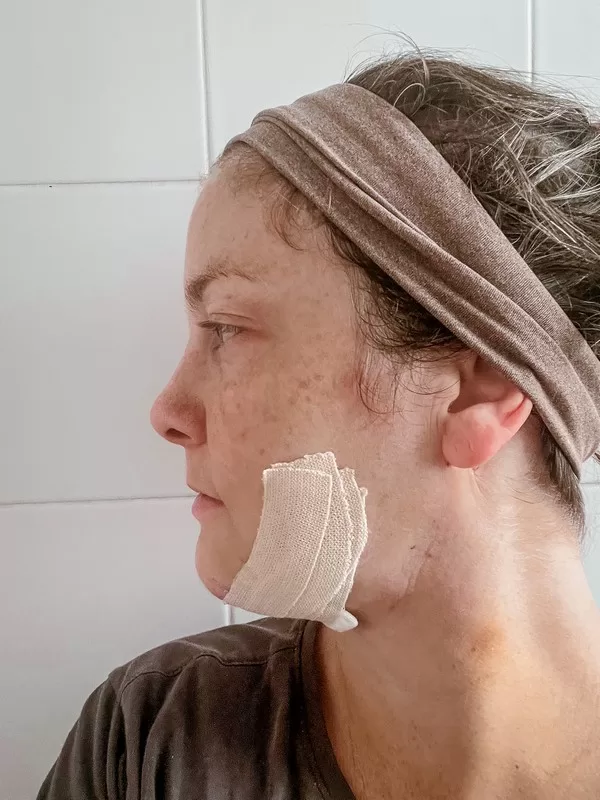
Day 4-7: Settling Into Recovery
By day three, I started taking short walks around Gangnam. One of the perks of recovering in this neighborhood is that you’re not alone, everyone is walking around in some stage of cosmetic recovery, with bandages, swelling, or healing bruises. You don’t stand out at all.
This was also when I could really shower and wash my hair too, so I was starting to move and groove to some extent.
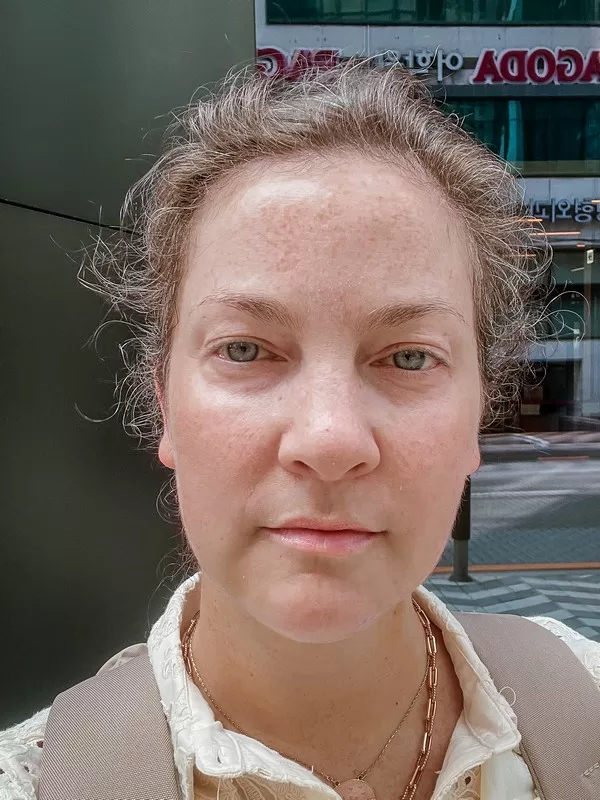
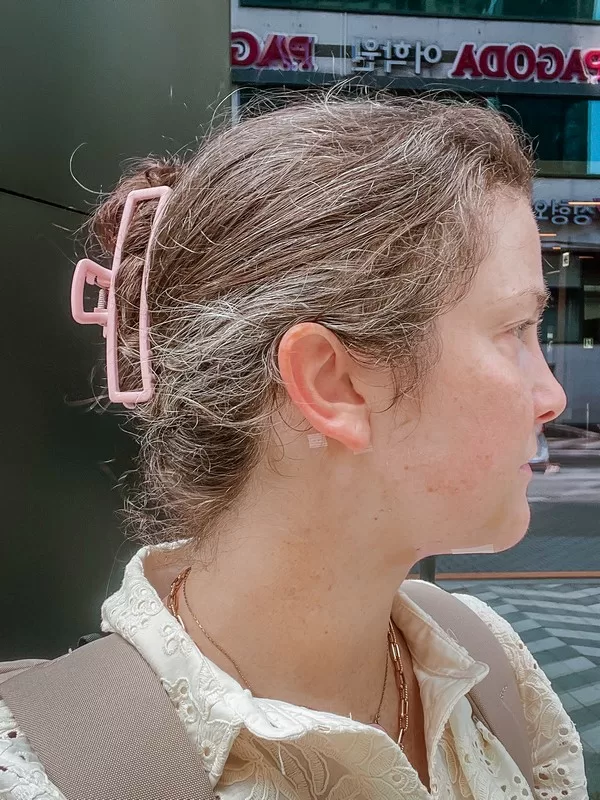
By the end of the first week, swelling was still obvious but manageable. My jaw would get sore from chewing, so I stuck to soft foods. I continued sleeping upright, avoided caffeine, alcohol, and spicy food, and wrapped my face gently as instructed (too tight can block blood flow).
At my one-week post-op check, everything looked good, so I was cleared to fly home to Jeju and continue recovering there.
Week 2: Swelling Down, Stitches Out
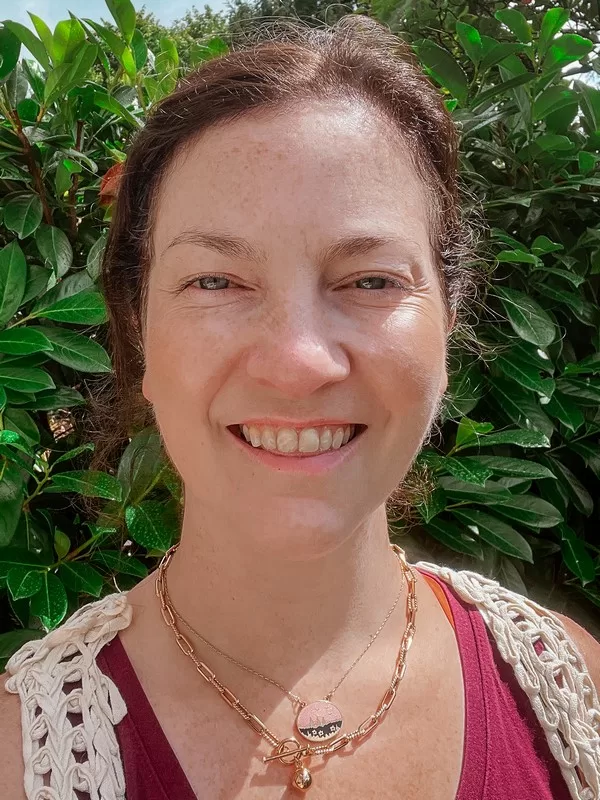
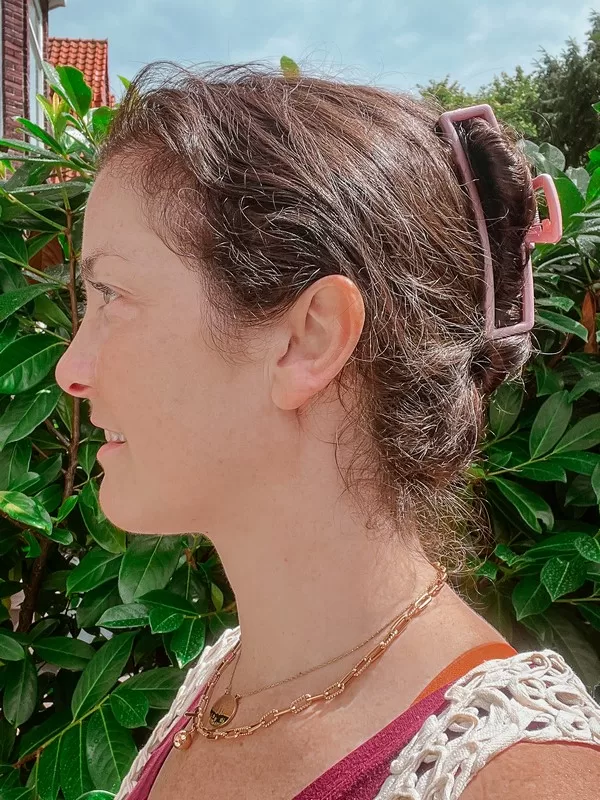
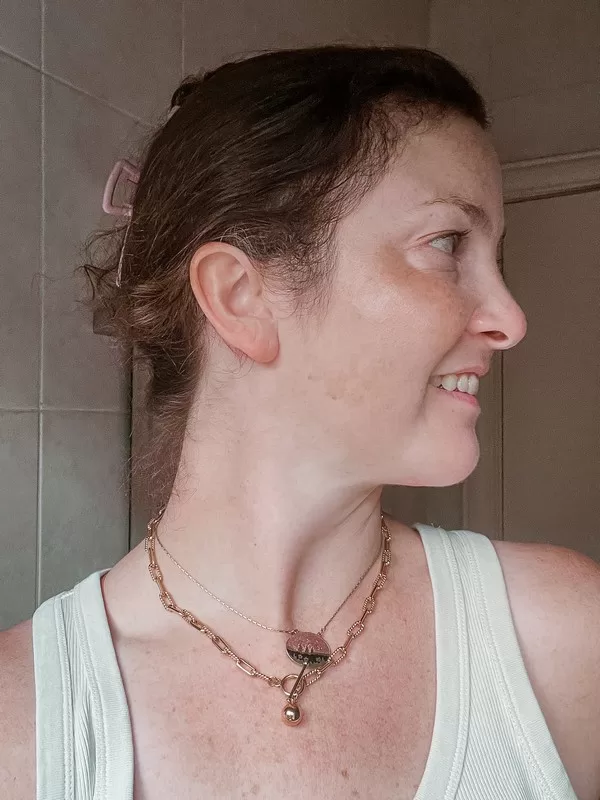
At the two-week mark, the swelling had gone down enough that most strangers probably wouldn’t notice anything unusual, though friends who knew me well could tell my face was still adjusting. My jaw remained stiff, and eating was still limited to softer foods, but I was slowly reintroducing small pieces of meat and more substantial soups.
My two-week check-up was important, I had my interior stitches from the genioplasty removed, and the surgeon confirmed I was healing on track, though the interior incision wasn’t yet fully healed so I had to be careful with eating going forward still. The numbness around my chin was still there, but I was reassured that sensation often takes weeks or even months to fully return.
Week 3-4: Returning to Routine
Right after that appointment, I left for a three-week vacation. It was a bit daunting to travel while still swollen, but by this point, I could almost fully open my mouth again and enjoy more normal meals (with a bit of caution). If chewing became tiring, I’d ice my jaw and stop.
Bruising had faded, and while I still felt self-conscious at times, I reminded myself that recovery is a process. Emotionally, I felt more confident by the end of the first month, the hardest part was behind me.
Week 5-6: Settling Into Normalcy
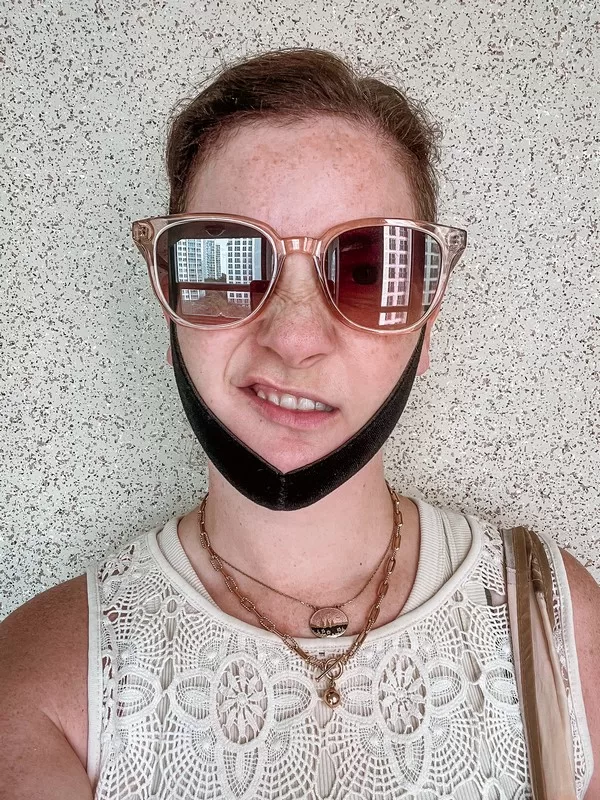
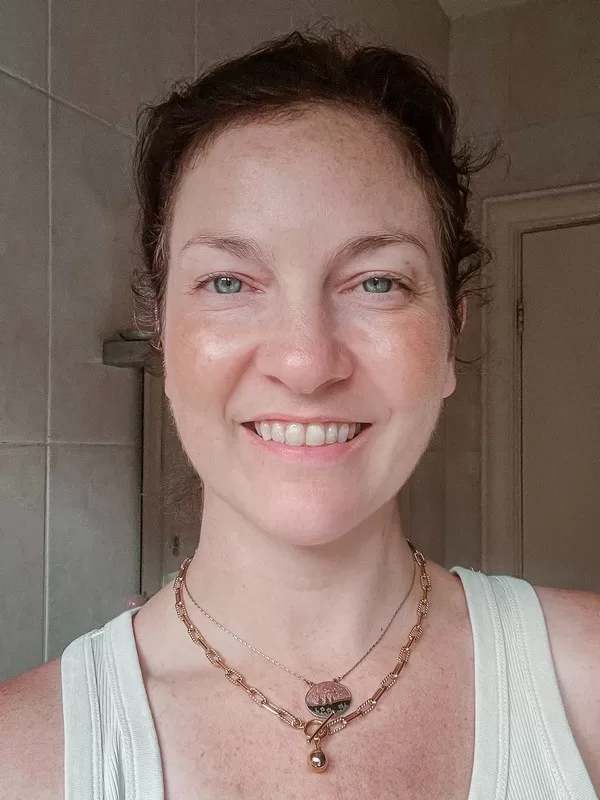
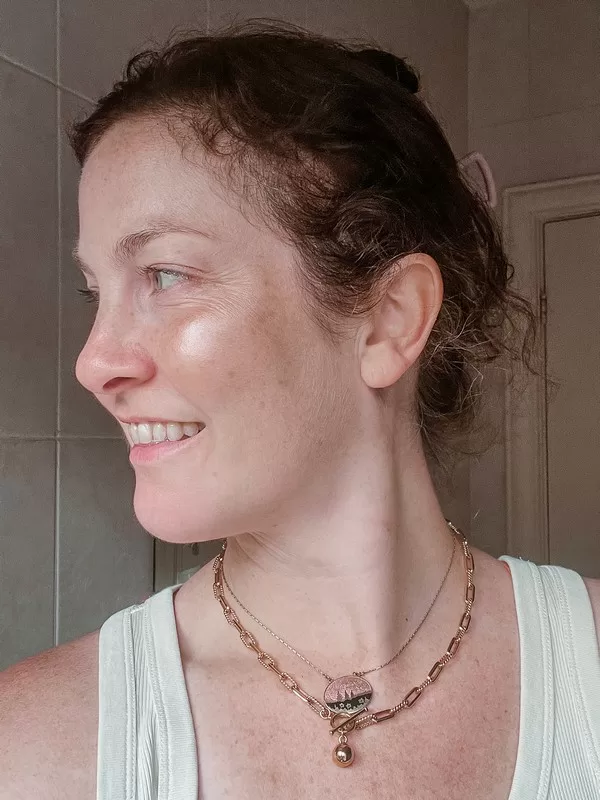
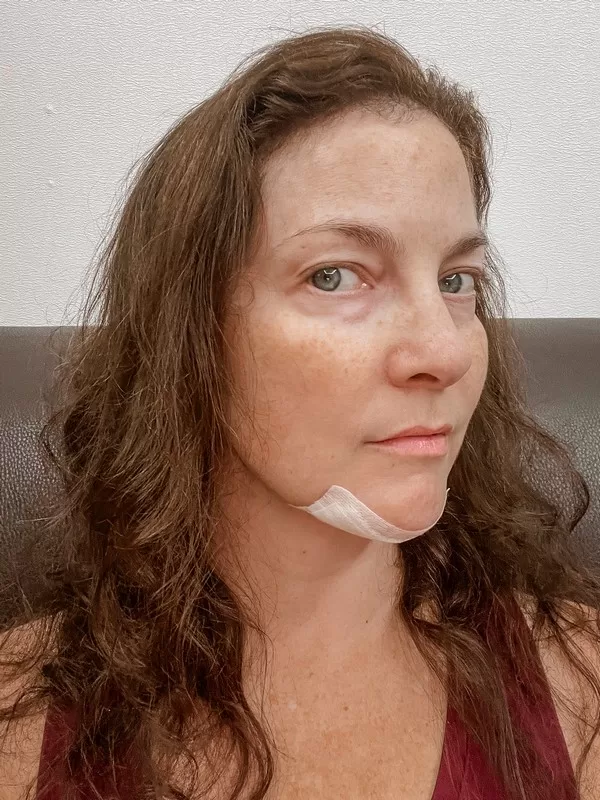
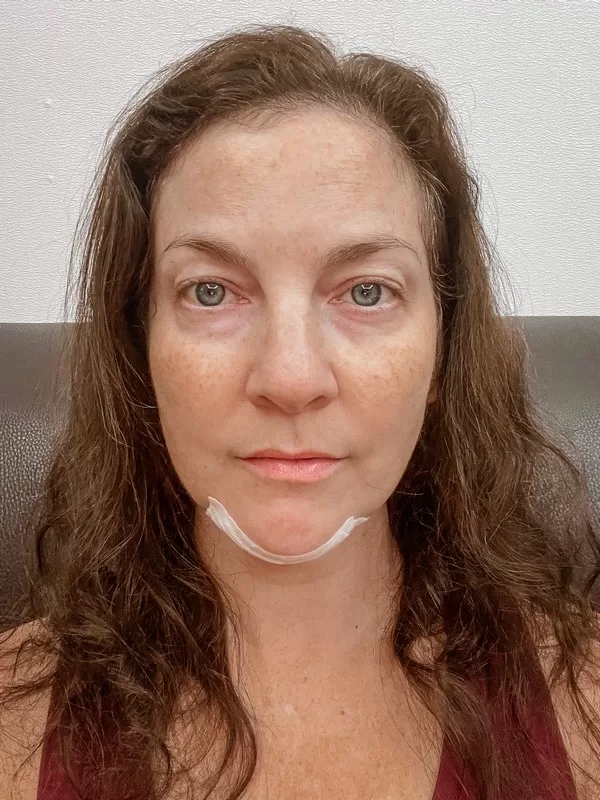
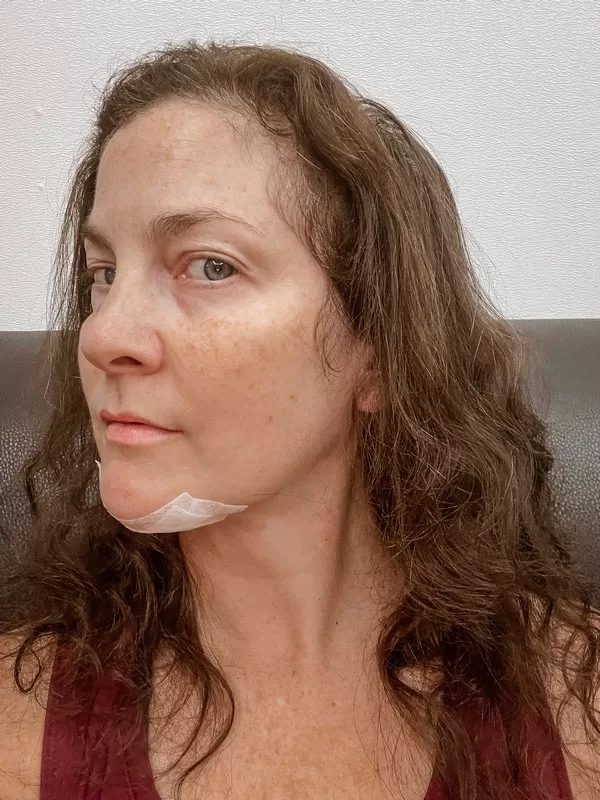
By weeks five and six, I was looking and feeling more like myself again, just with a sharper chin and tighter neckline. Most of the swelling had subsided, and the results were becoming visible. Though, there was a point where my husband and I thought I may now have a witches-like chin. Was this it for good? No, it wasn’t. Still swollen, just enough that it seemed too much for me, but it continued to go down as I found.
At this stage, I was able to resume more normal activities, including light exercise and socializing without worrying about how I looked. Food restrictions were loosening as well. Though my jaw still became sore with heavy chewing, I no longer felt bound to porridge and soups.
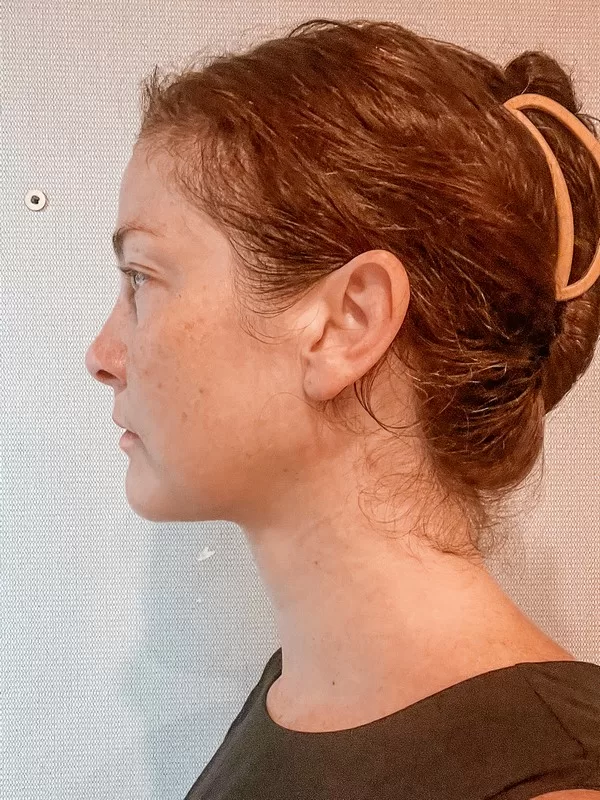
Week 7-8: Seeing the Results
Two months post-op, the changes felt natural. My chin remained a little numb, but overall, I could finally appreciate the results: a smoother neckline, more definition in my jawline, and a refreshed profile without the “full facelift” I’d chosen not to pursue. Even this lift made my face look younger and more svelte in my opinion though.
Swelling was still subtly present, especially in the evenings, but not noticeable to anyone but me. At this point, I felt comfortable saying that the decision to undergo these procedures in Korea had been the right one.
Practical Tips for Tourists Considering Cosmetic Surgery in Korea
Thinking about coming to Korea for more invasive procedures like genioplasty, submentoplasty, or a neck lift? Here are some lessons I learned that might help you plan your own journey.
1 Use a Concierge Service
Navigating the sheer number of clinics in Seoul can be overwhelming, especially with language barriers and Korea’s strict medical defamation laws. Agencies like Seoul Cosmetic Surgery can connect you with reputable, government-licensed clinics and provide daily check-ins during recovery. It’s worth the peace of mind.
2 Stay Nearby After Surgery
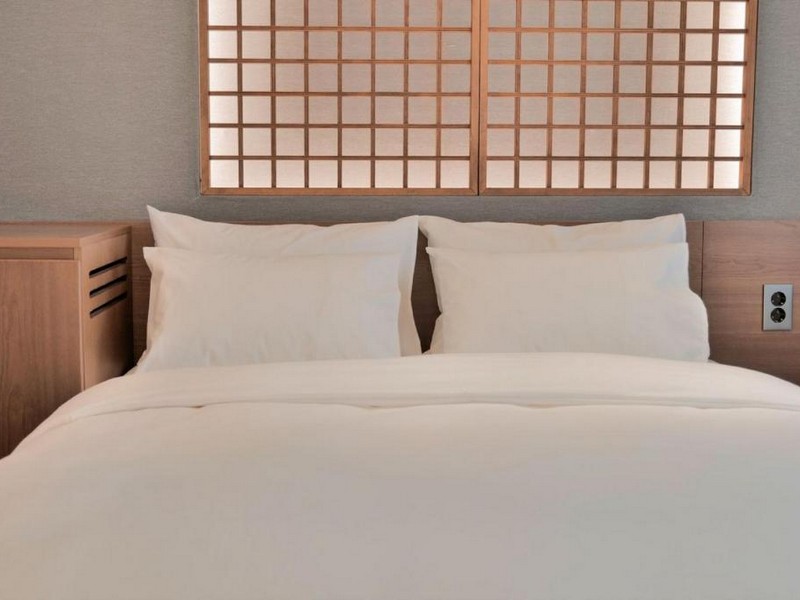
Most clinics recommend staying within 10-15 minutes of their facility for the first week. If complications arise, you’ll want to be close. I booked an Airbnb in Gangnam, which was perfect, not only convenient, but also discreet, since everyone around you is recovering from something. You’ll blend right in with your swelling and bandages.
3 Plan for a Minimum of Two Weeks in Korea
Even if your procedure only takes a few hours, you’ll need time for follow-up appointments and initial healing. For invasive surgeries, plan at least 10-14 days before flying home, longer if you want to feel more comfortable traveling.
4 Expect Dietary Restrictions
After surgery, you may not be able to open your mouth fully for days or even weeks. Stick to porridge, soup, yogurt, and other soft foods.
Pro tip: In Korea, pumpkin porridge is the go-to recovery food thanks to its anti-swelling properties. You’ll see it sold everywhere, and many clinics even recommend pumpkin extract drinks. Avoid caffeine, alcohol, and spicy foods until your doctor clears you.
5 Pack Smart for Recovery
A few items made my recovery much easier:
- Extra pillows: You’ll need to prop your head up at night so make sure you have enough pillows to keep yourself upright.
- Ice packs: AB Clinic provided one that wrapped around and velcroid at the top of my head which was really useful. I also purchased an ice roller which I found super useful and felt so good as well.
- Loose, comfortable clothing: You’ll need these for surgery day and the days after as you’ll have to change easily without messing with the bandages and stitches.
- Saline rinse solution: Brushing wasn’t allowed for a few days so for oral care, it was a lot of gurgling and swishing with this, which was also provided by AB.
6 Budget Beyond Surgery Costs
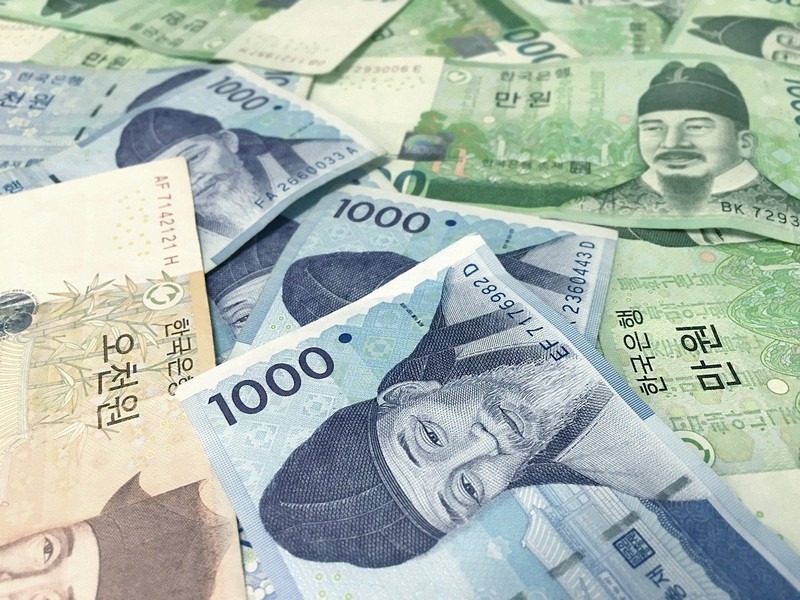
While procedures in Korea are often a fraction of Western prices, remember to factor in:
- Accommodation for 2+ weeks
- Transportation (taxis are easiest after surgery)
- Food and recovery-friendly staples
7 Prepare Emotionally
It’s easy to underestimate the emotional side of recovery. Waking up swollen, bruised, bandaged can feel overwhelming. For me, the nursing staff’s reassurance on day one was everything. Know that these feelings are normal and temporary. By week 6-8, you’ll start seeing the real results.
Did you like this post? Pin iT!


One Comment
Elle
Very interesting article. Thank you