A Love Letter to Korean Paper: Exploring Hanji House in Bukchon Hanok Village
Last Updated on January 14, 2026
Bukchon Hanok Village is not just home to beautiful alleys lined with Hanoks, traditional Korean homes, with tiled rooftops. It’s also home to a number of places and spaces built to showcase Korean traditional craft and among them is the Hanji House (한지가헌), devoted to traditional handmade paper. I stopped in as I was passing by a number of years back and since, always make the stop when I’m in the area.
If you appreciate traditional Korean craft, colorful displays, and artistic installations with a story to tell, then Hanji House can be a quick stop on your adventure into this popular district of Seoul, Korea.
If you’re interested in learning more about Hanji, this is a great place to start:
(This post contains affiliate links, which means I receive a certain percentage of a sale if you purchase after clicking at no cost to you. Thank you for your support.)
Basic Info
Address: 31-9 Bukchon-ro, Jongno-gu, Seoul (서울 종로구 북촌로 31-9)
Hours: Tuesday – Sunday: 10:00am ~ 7:00pm
Admission: Free entrance, though some programs require a fee
Website: https://www.kcdf.or.kr/hanji/
What is Hanji House?
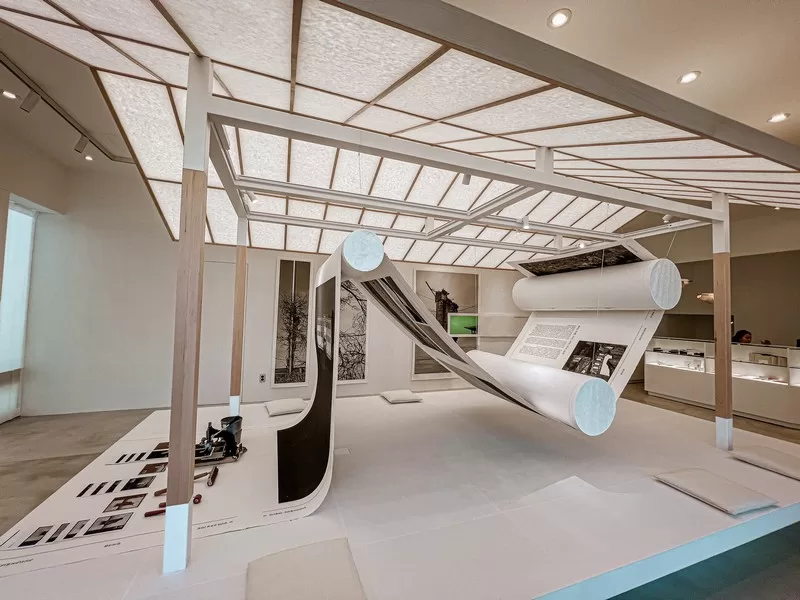
Hanji House, also known as Hanjigaheon (한지가헌), literally House of Hanji, is operated by the Korea Craft & Design Foundation (KCDF) in the Bukchon Hanok Village area of Seoul, Korea. It originally opened in 2020 as the Hanji Culture and History Center and then reopened in 2024 under its new name after a thoughtful renovation.
Its mission is clear, to preserve the excellence of hanji, support traditional workshops across Korea, and expand how hanji is used in daily life today. It functions as a showroom, archive, education space, and hands-on studio. It’s small but full of detail.
A Brief History of Hanji
Papermaking reached Korea sometime between the 3rd and 6th centuries. Early paper was made from hemp and ramie, but techniques improved quickly. Archaeologists have even discovered hanji fragments in a tomb from the Lelang period (108 BCE to 313 CE), making it one of the earliest paper traditions on the peninsula.
During the Three Kingdoms period (57 BCE to 668 CE), paper became essential for recording official histories. Hanji reached its peak during the Goryeo period (918 to 1392). Known then as Goryeoji, it was prized across Asia for its strength and sheen. Hanji was used for Buddhist scriptures, medical and historical texts, currency, and official government documents. The government actively encouraged mulberry cultivation, turning hanji into a major trade export to China.
Two milestones from this era still define Korean print history:
- Tripitaka Koreana: Over 80,000 wooden printing blocks carved with zero errors, still housed at Haeinsa Temple in Gyeongsangnam-do, Korea.
- Jikji: The world’s oldest surviving book printed with metal movable type predates Gutenberg by decades. It was published in Korea in 1377 at Heungdeok Temple in Cheongju.
Fun fact: The world’s oldest surviving woodblock print, the Pure Light Dharani Sutra (c. 704), was printed on hanji and is still in remarkable condition today.
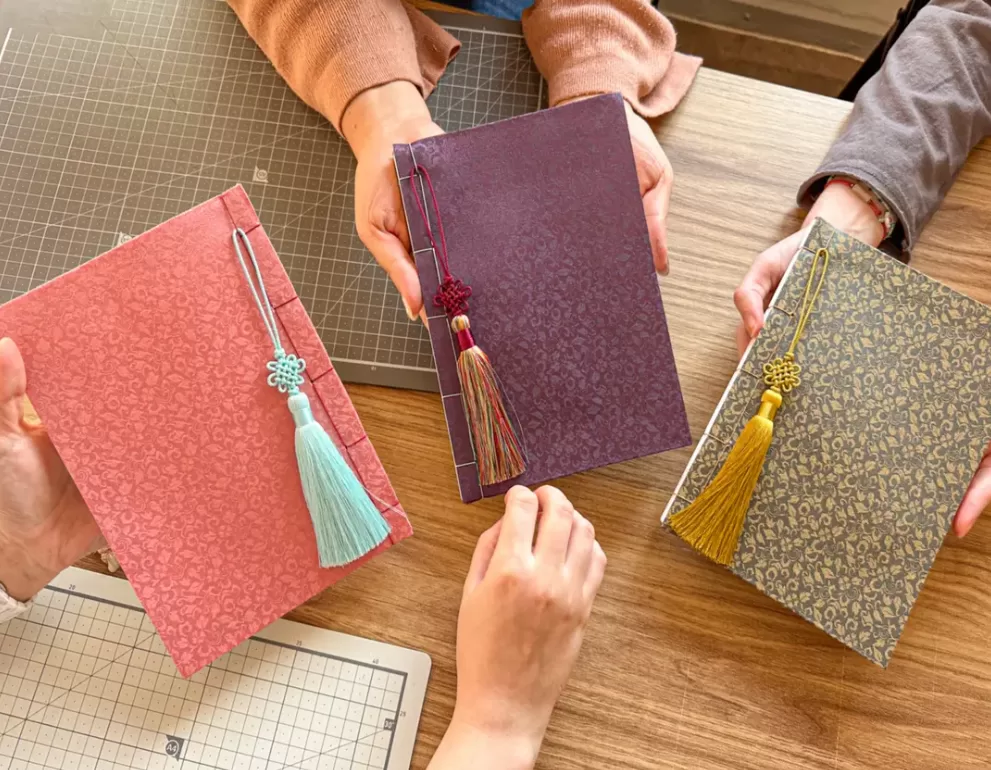
Extend your experience with Hanji by joining a class to piece together your own bound book with Hanji paper and silk. It’s a unique keepsake to take home. Make reservations to visit Danchudan now.
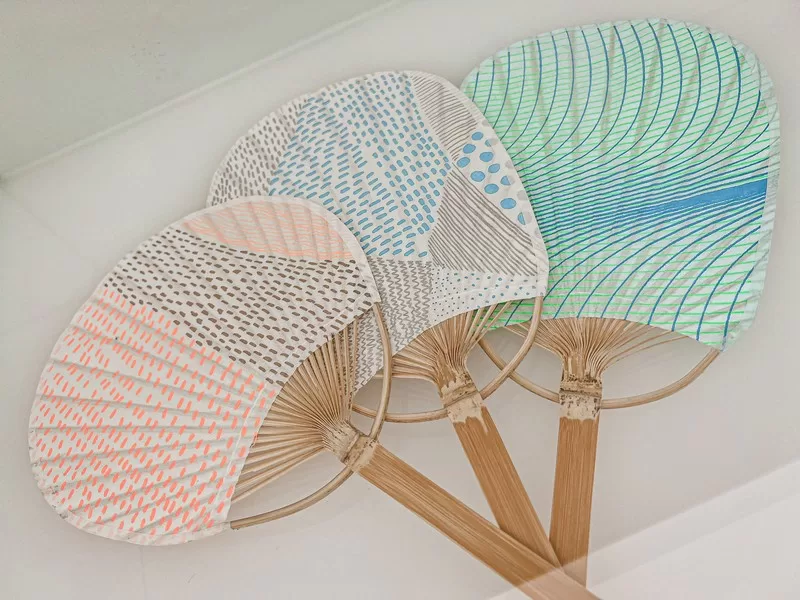
During the Joseon period (1392 to 1910), hanji moved beyond books and into everyday homes. It was used for windows and doors, walls, floors, and ceilings, fans, kits, and tobacco pouches, waterproof and insulating. As you walk through Insadong in Seoul, Korea today, you can find shops that sell hanji fans and other crafts.
Fun fact: Oiled hanji was used to make early greenhouses around 1450. The paper naturally regulated humidity, light, and temperature.
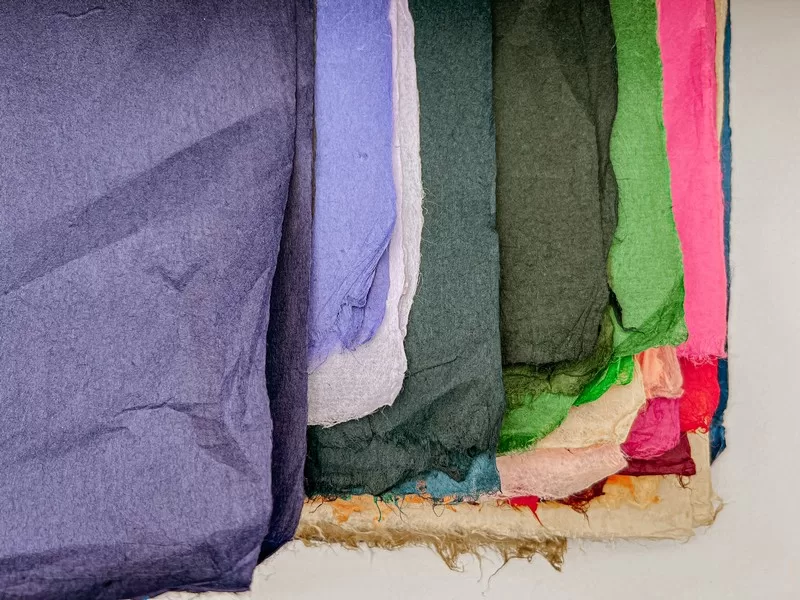
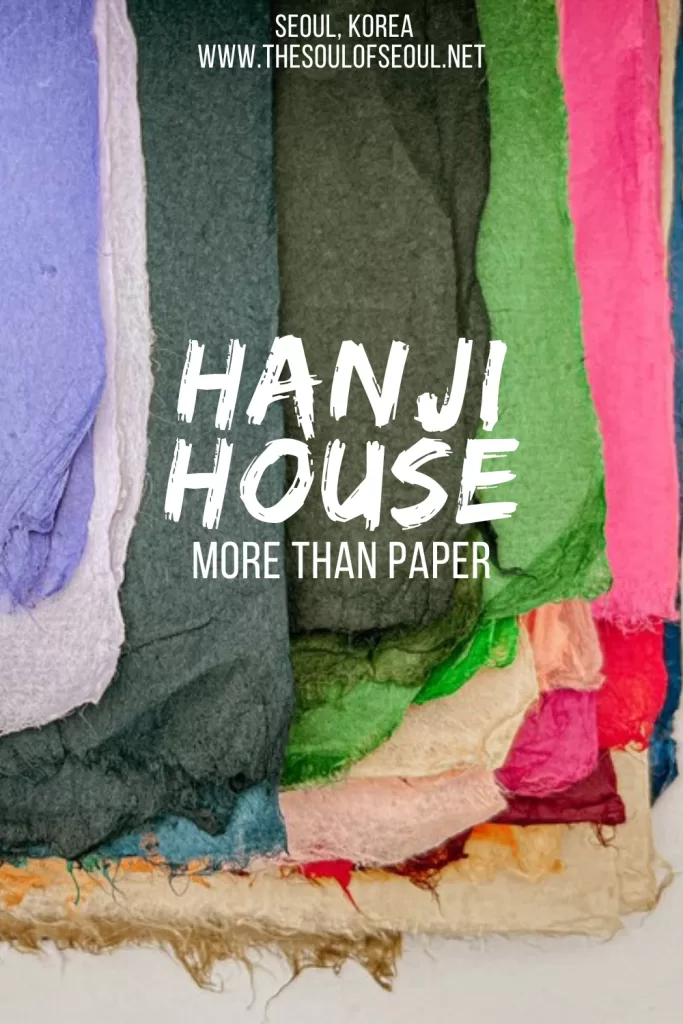
As demand grew, new varieties appeared, including colored paper, patterned paper, and paper made from blended fibers like pine bark and bamboo. Eventually western mass-produced paper arrived in Korea in the late 19th century, triggering a steep decline. Later, rapid modernization in the 1970s further reduced the need for hanji in everyday homes.
Today, only a few dozen traditional hanji workshops remain in Korea. They produce hanji for artists, conservators, temples, and cultural institutions.
Exploring Hanji House Today
Hanji (한지) is traditionally made from the inner bark of the paper mulberry tree, which grows well on Korea’s rocky mountainsides. Another essential ingredient is dakpul, a natural mucilage extracted from the roots of hibiscus manihot. This plant-based binder keeps the fibers suspended evenly in water.
Fun fact: Hanji contains no harmful chemicals and has a neutral pH, which is one reason it lasts so long compared to Western paper.
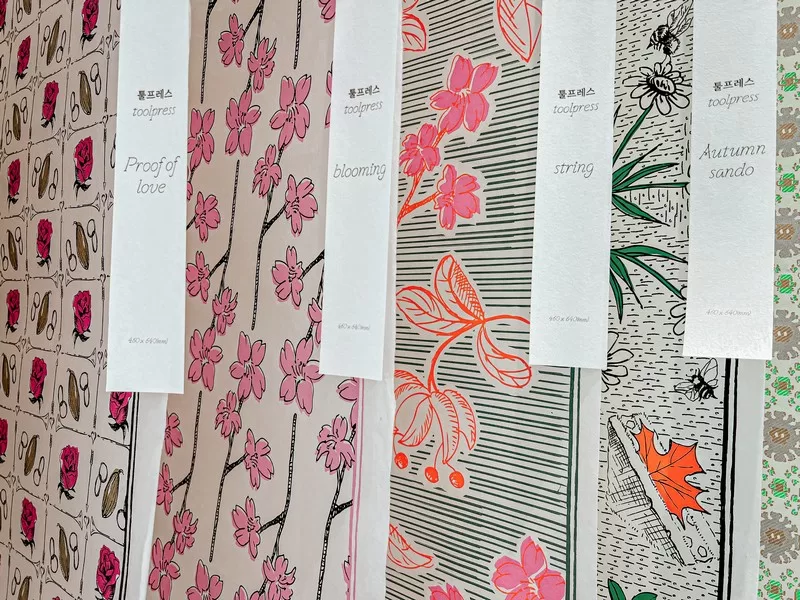
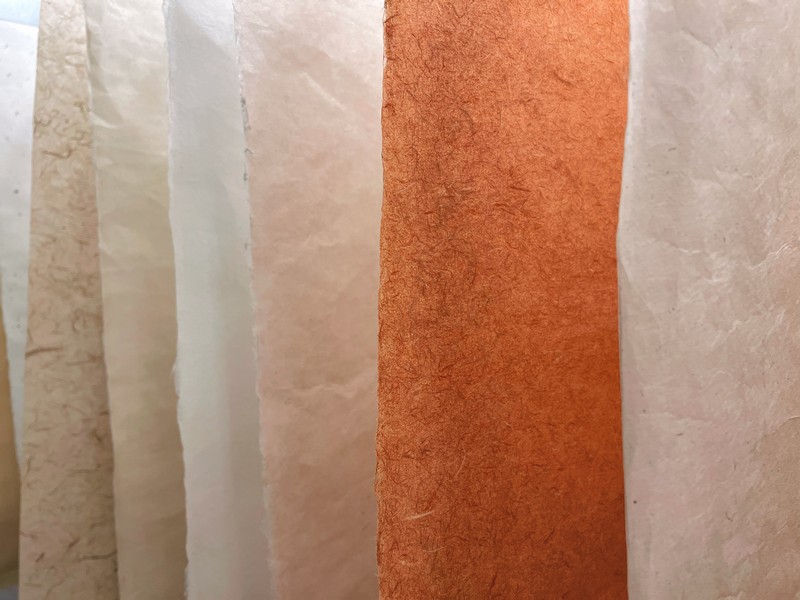
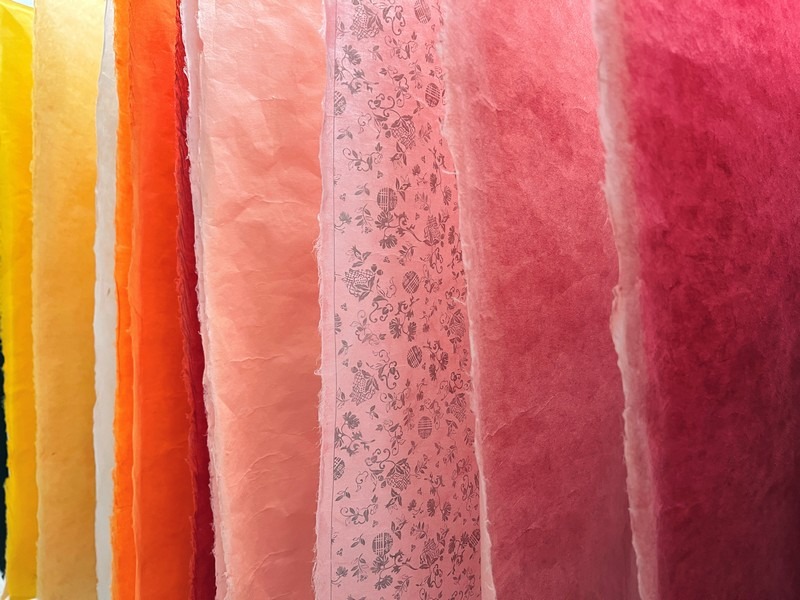
1st Floor: The Hanji Showroom
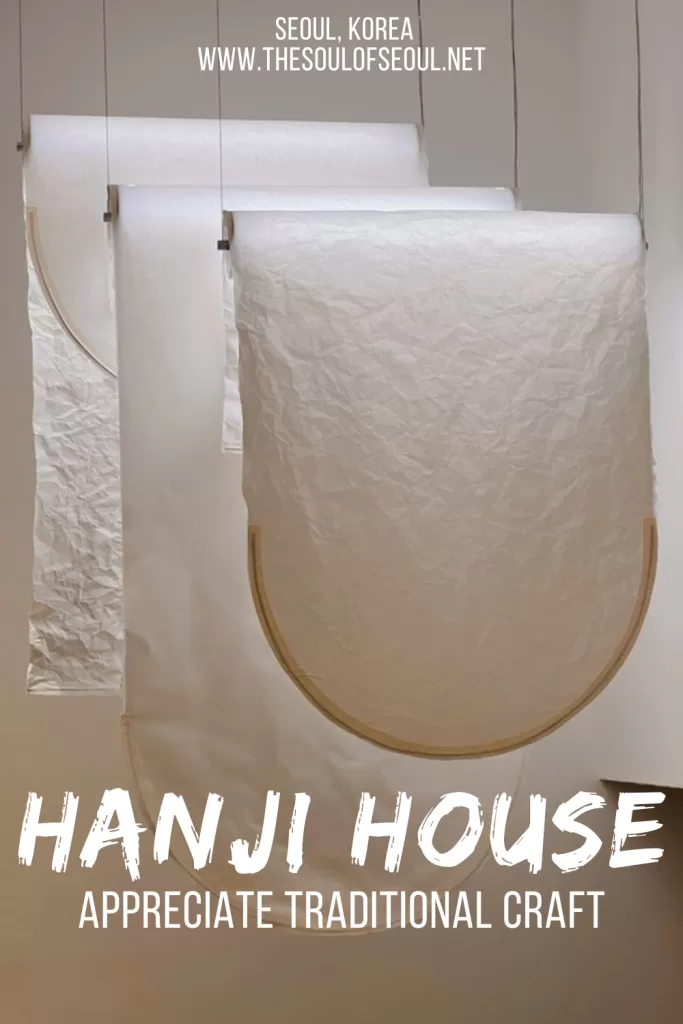
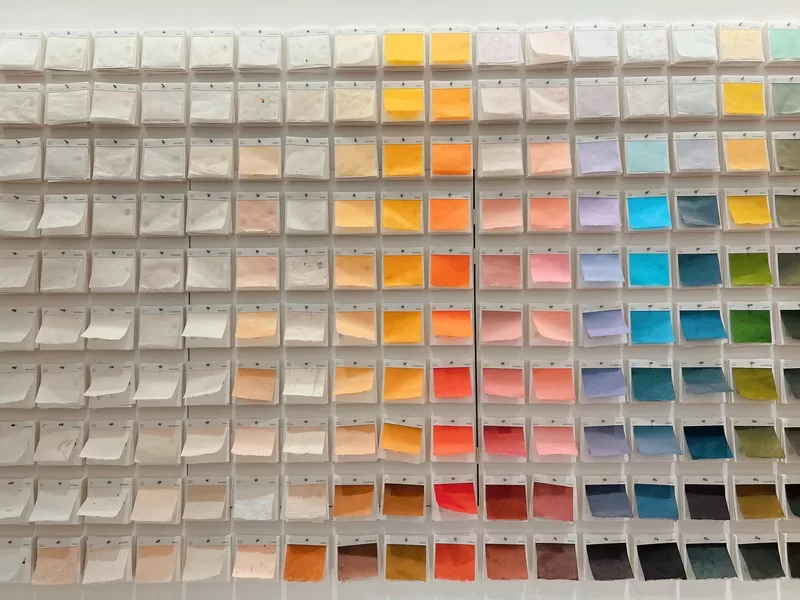
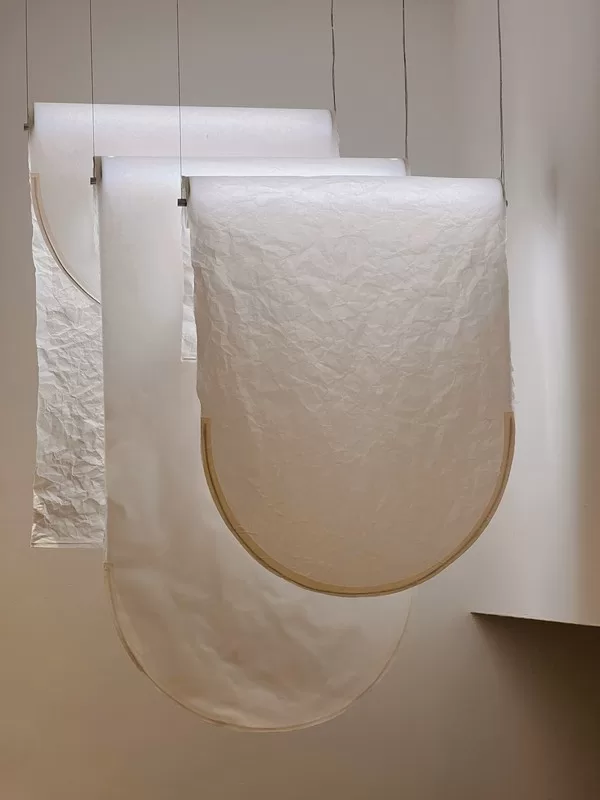
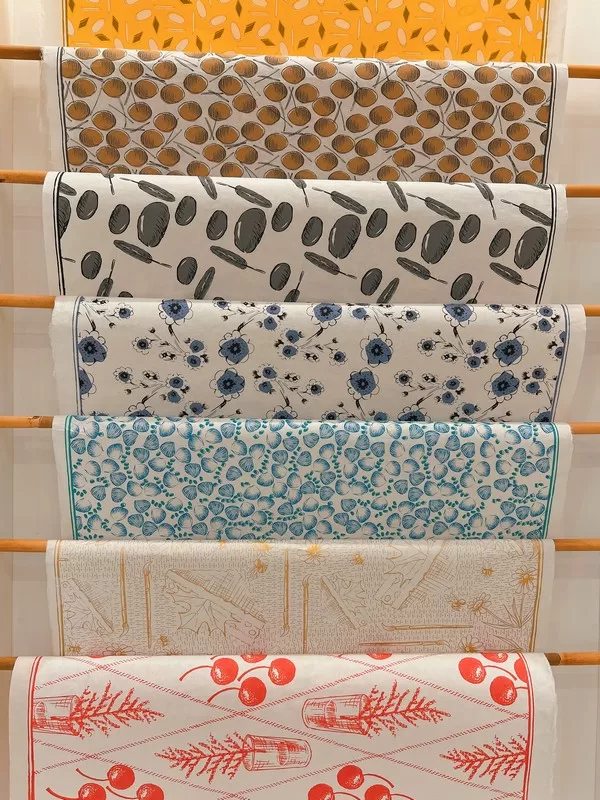
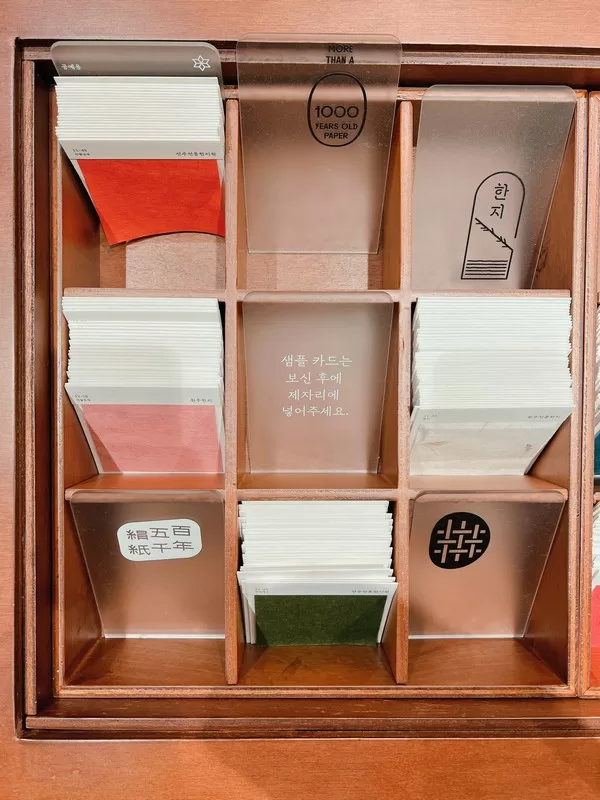
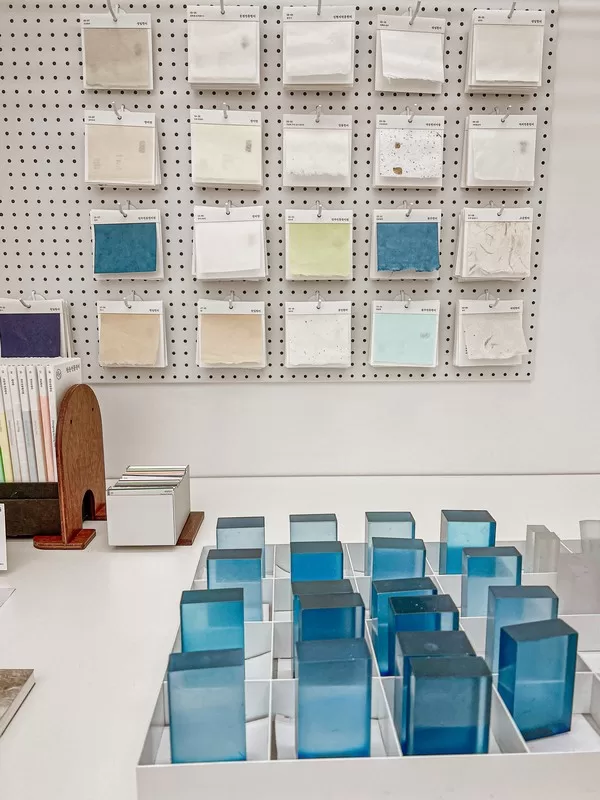
The first floor introduces hanji visually and conceptually. If you have even a bit of time, just stop in to see the hanji installation. The installations are changed and can showcase hanji textures and finishes, modern applications alongside traditional uses, and all of the colors and patterns that make hanji fun.
Docent programs: There are guided tours with professional commentary explaining hanji culture, the symbolism of the installations, the space, and the design. Check the website for availability.
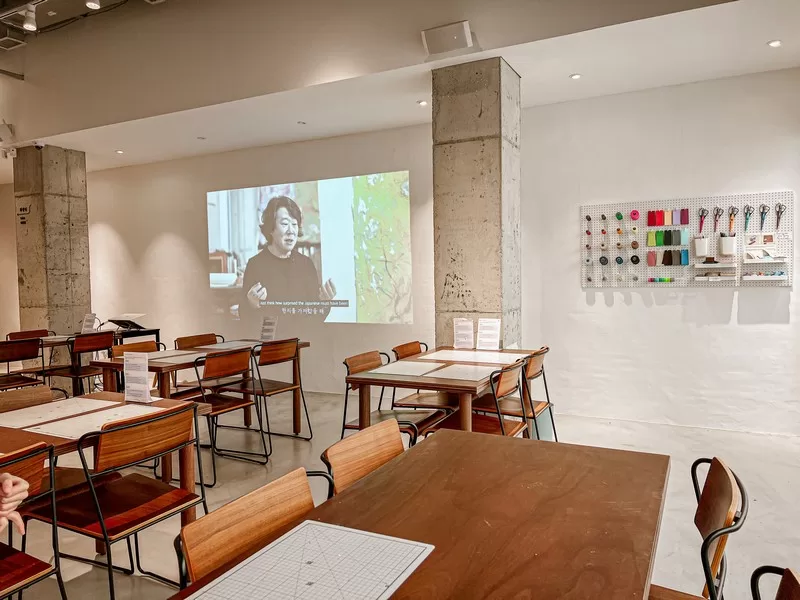
Basement: Where History Becomes Hands On
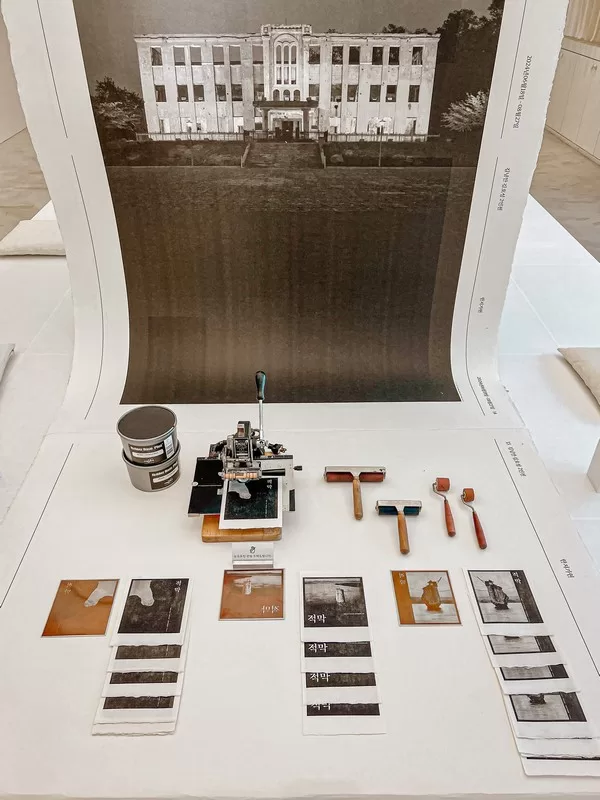
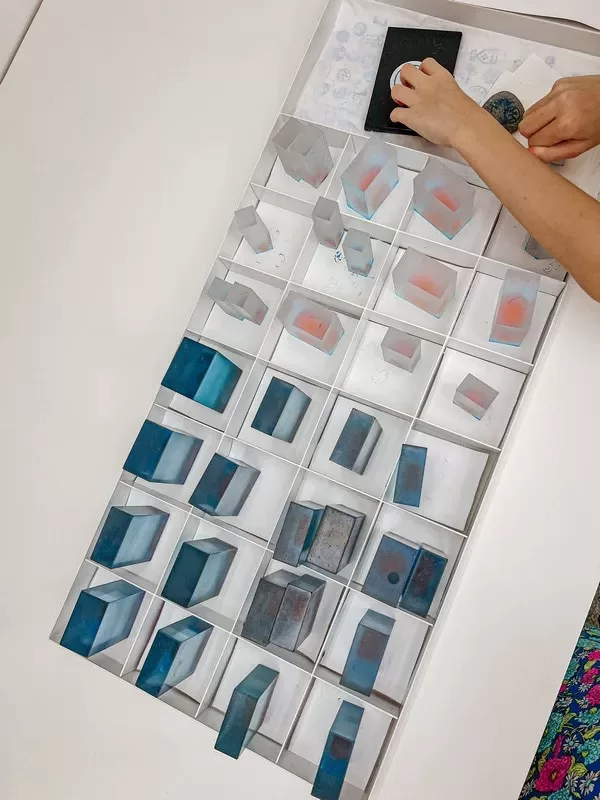
The most engaging part of Hanji House has an open archive, photo studio, and workroom. There are various workshops throughout the year and seasonal craft programs. The biggest issue with this for foreigners and tourists though, is that booking for the programs is only available via Naver.
Even if you don’t make a reservation, walk down because there are still stamps and materials to see. If you can’t figure out how to work Naver, message them on Instagram or send them an email to take part in an experience.
Hanji House isn’t flashy, and it doesn’t try to be. It’s not big, but they have beautiful installations. I love stopping in as I’m walking by just to see how they’re presenting the craft of hanji.
Did you like this post? Pin iT!